Colors & Color Combinations
Every card in Magic belongs to one or more of five colors, each with its own real identity — what it's good at, and what it deliberately can't do. Combining two colors doesn't just add their strengths together; it forms its own recognizable plan.
The Five Colors
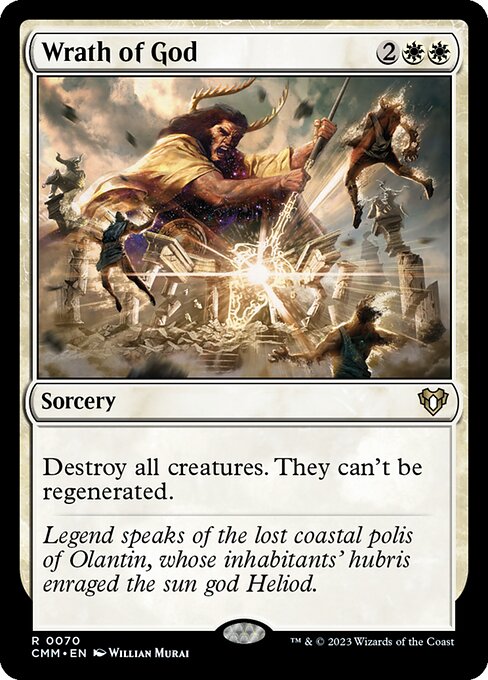


White
Order and protection, built around efficient creatures, removal, and going wide. White wants a level playing field — cheap answers to problems, then enough bodies on the board to close the game out.
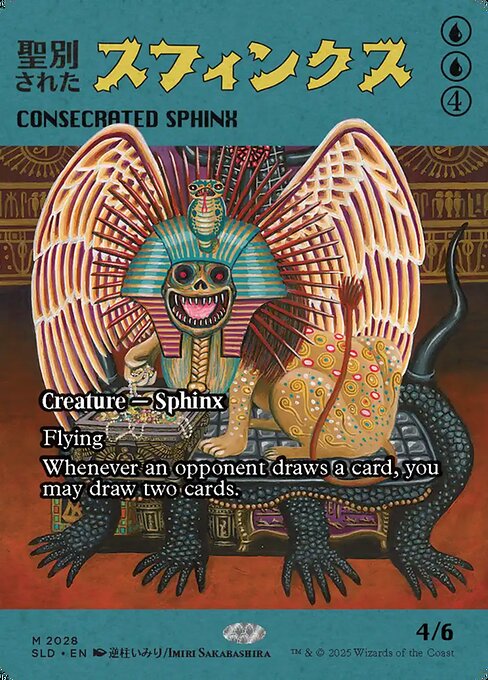

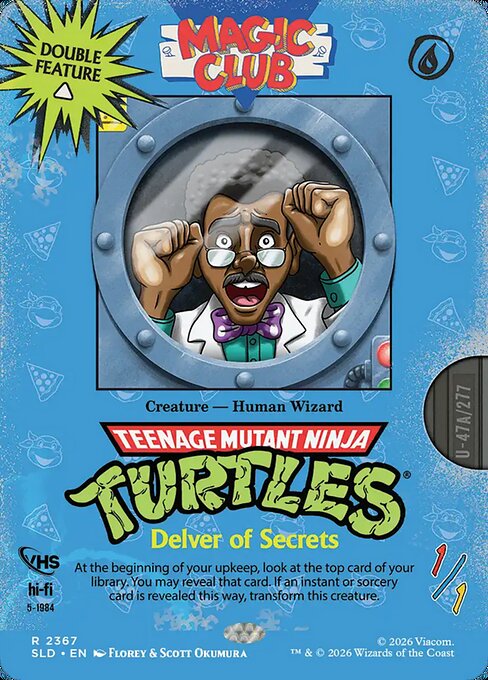
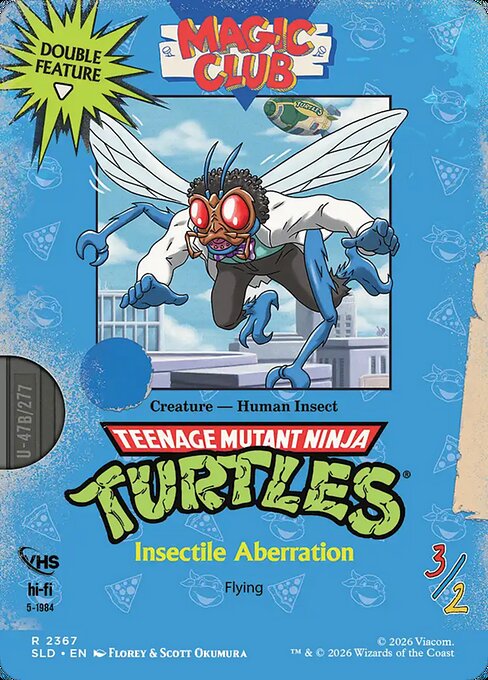
Blue
Card draw, tempo, and control — countering what an opponent tries to do instead of fighting fair. Blue wants information and options, not raw power.


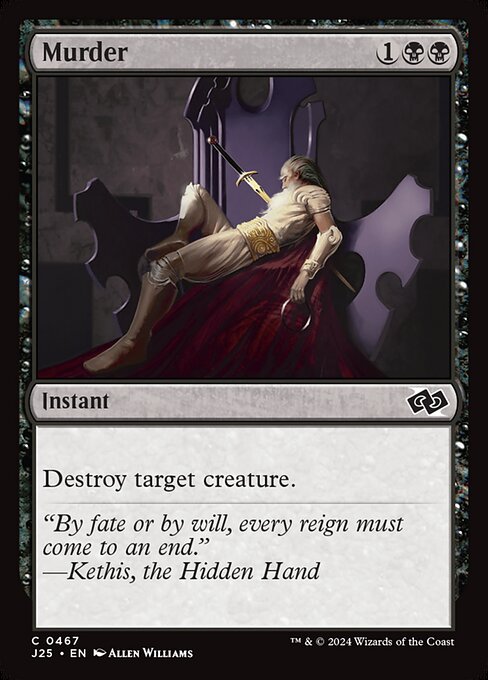
Black
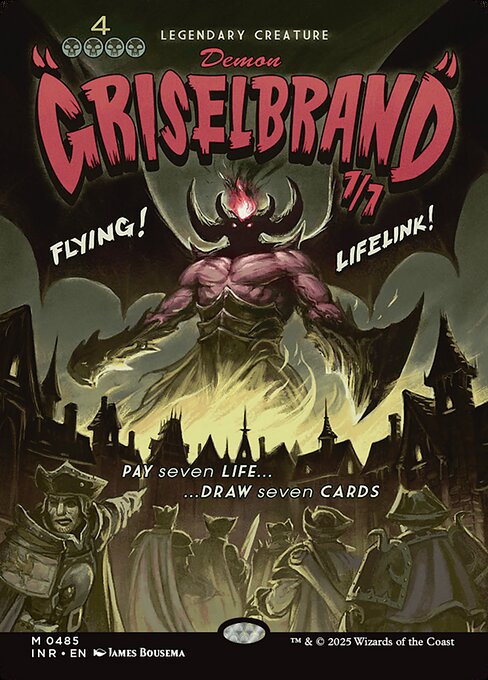
Removal, reanimation, and card advantage — usually paid for in life, cards, or someone else's graveyard. Black gets what it wants; the price is the interesting part.

Red
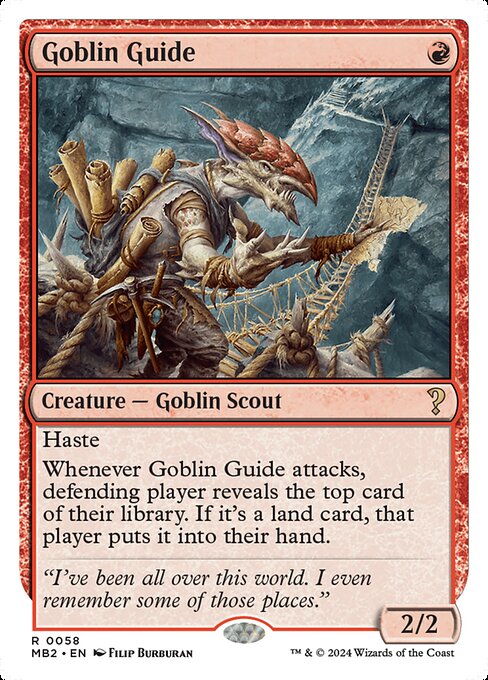
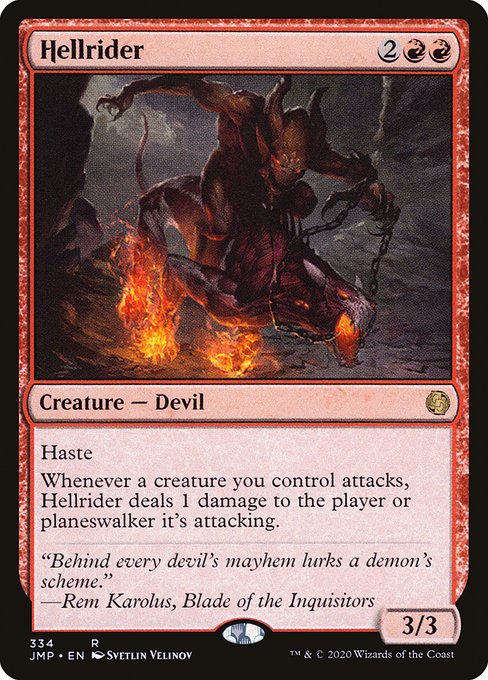
Direct damage, haste, and pressure — Red would rather end the game before the question of a long one ever comes up.

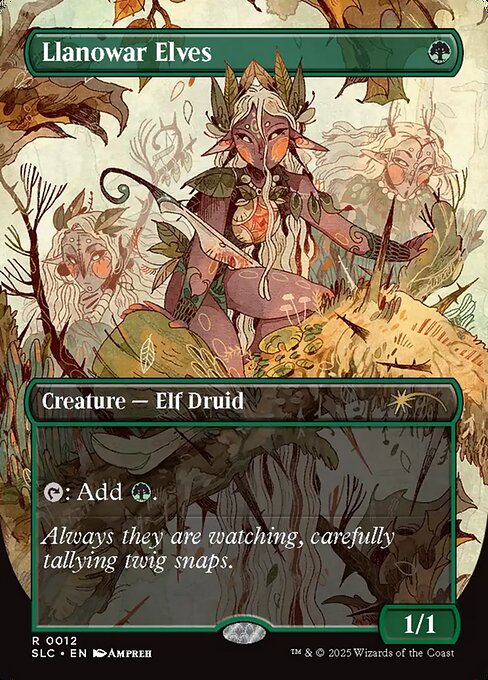
Green
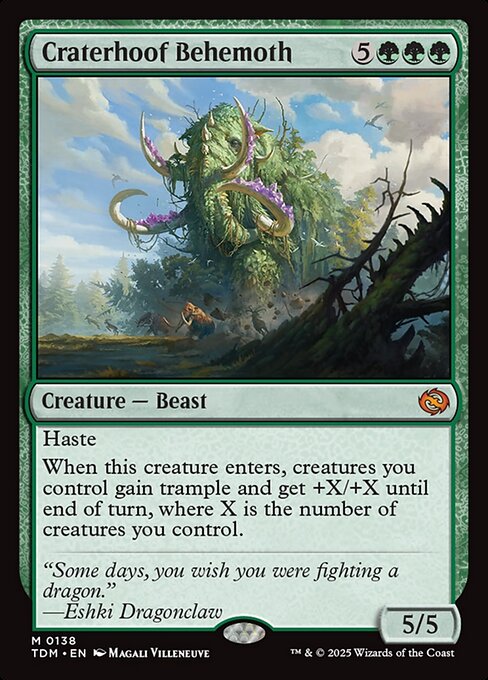
Ramp, big creatures, and raw size — Green plays a longer game on paper, then ends it by simply having more than everyone else.
Two-Color Guilds
Ten real two-color guilds exist — here are five, each with its own name and its own recognizable plan beyond just its two colors' own strengths added together.
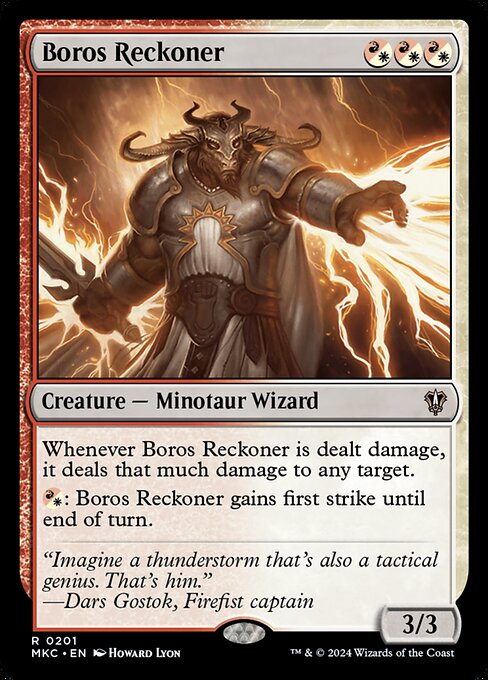
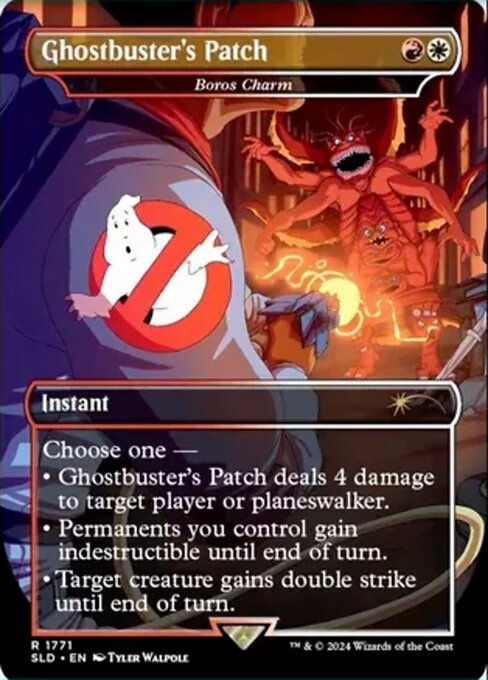
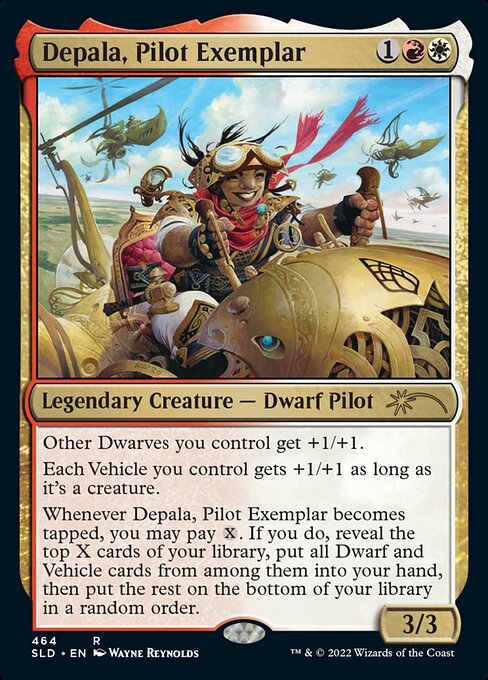
Boros (W/R)
Aggression backed by combat tricks and a wide, efficient board — a Boros deck wants to attack every turn and have an answer ready the moment something gets in the way.

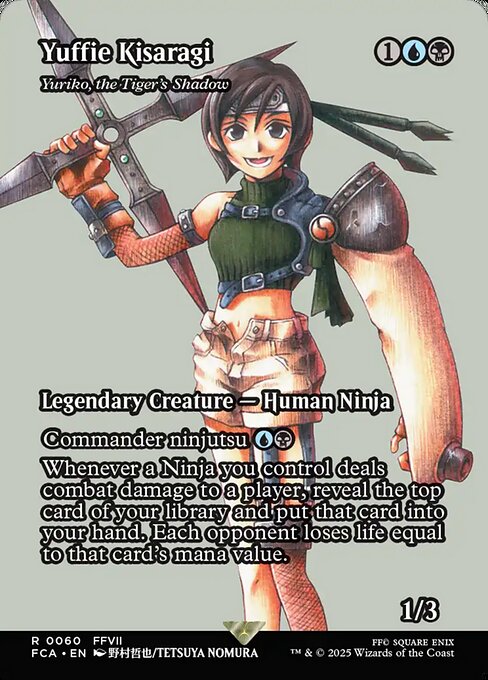

Dimir (U/B)
Card advantage and removal, controlling the game from a distance — Dimir wins by knowing more than the table and having an answer for whatever it doesn't.


Golgari (B/G)
Grinding value out of the graveyard through attrition — Golgari doesn't mind losing a resource once, since it usually gets that resource back.
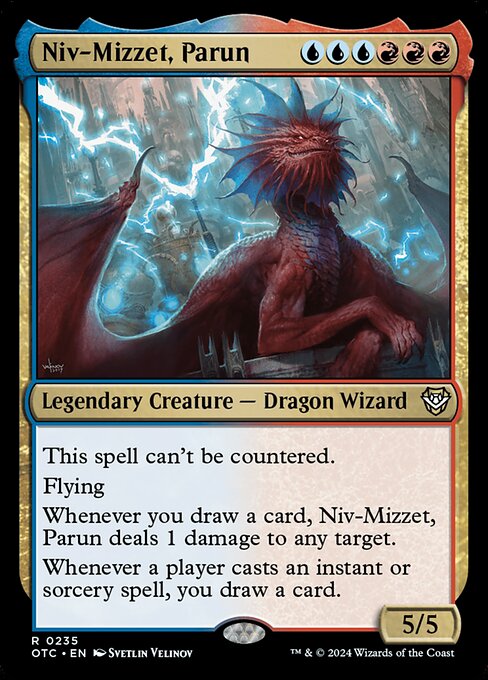
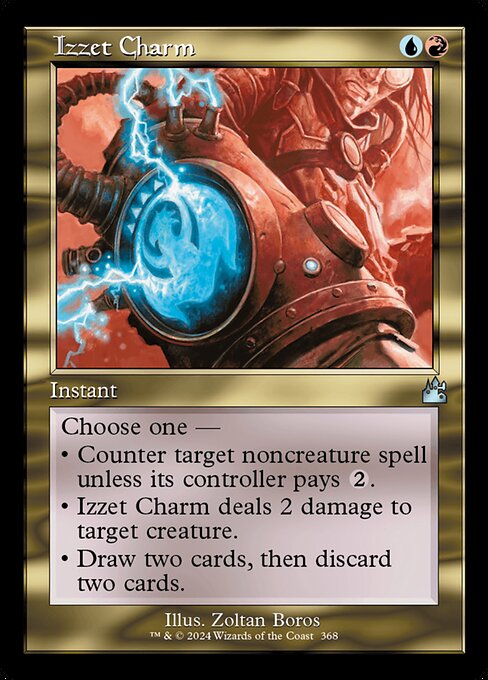
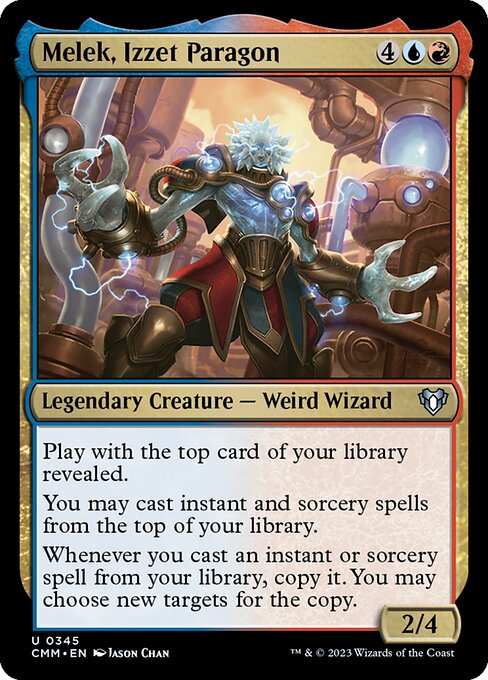
Izzet (U/R)
A spells-matter shell that burns through the deck for value — Izzet wants to cast a lot of spells and get rewarded every time it does.
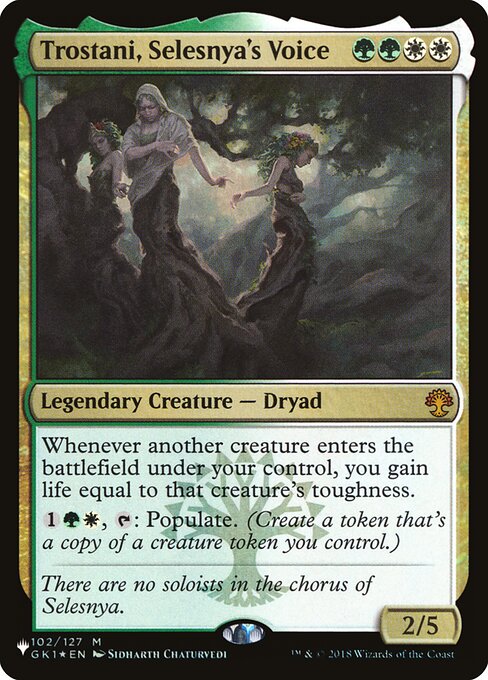
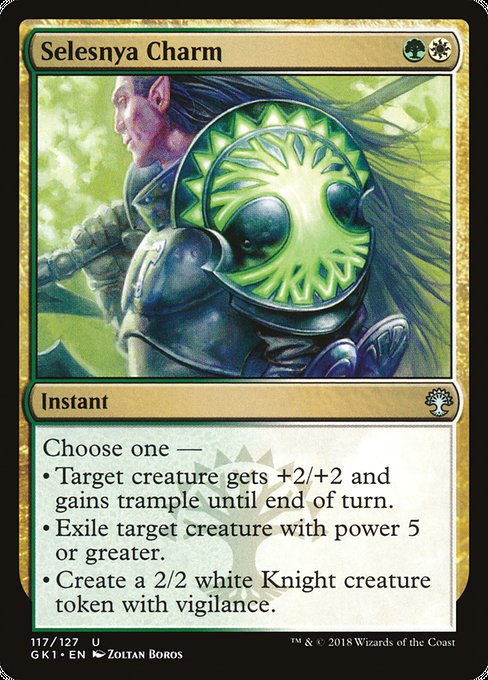

Selesnya (W/G)
Wide boards of creatures backed by ramp and lifegain — Selesnya plays a stable, resilient game that's hard to race and hard to grind out.
How Colors Match Up
Not every color matchup is even — Magic's own color-pie design gives some colors a structural edge over others. These are real, well-established tendencies, not a fabricated head-to-head number.

Green

Blue
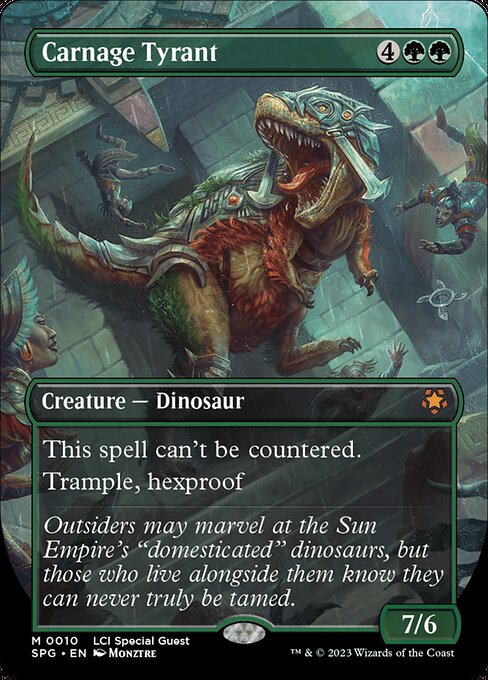
Green vs. Blue: uncounterable threats vs. answers for everything
Blue would rather counter or bounce a threat than fight it once it resolves — and that's exactly what a spell that can't be countered is built to shrug off. Green's hexproof, uncounterable threats are made for this matchup specifically, though Blue's own card draw keeps finding more answers if the game runs long.

Red
Blue
Red vs. Blue: racing the removal before it arrives
Red doesn't try to out-card-advantage Blue — it tries to win before Blue's mana ever gets there. A low curve and direct damage punish a slow start, and Red has its own long history of anti-blue tools built specifically to answer a counterspell.
Green

White
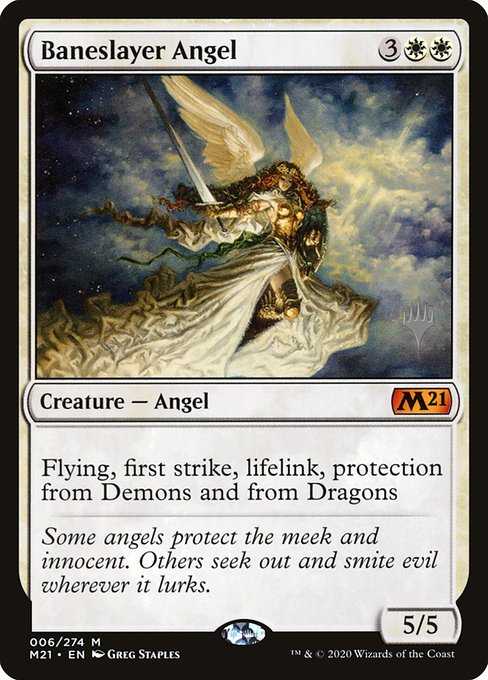
Green vs. Flying: the color pie's oldest weakness
Green almost never gets flying creatures of its own — one of Magic's most consistent design rules — so a ground-based Green plan structurally struggles against an opponent who can just fly over it, unless it's built with reach or fight effects to answer the sky.
White

Black
White vs. Black: fairness against self-interest
White's whole plan is a level playing field — board wipes, efficient answers, and a keyword built specifically to shrug off Black's removal (protection from black). Black's removal and reanimation still get there in a longer game, since White rarely has a way to stop a resource that's paid for once and used forever.
Ready to Pick Your Colors?
Open the Deck Studio and start a deck with these identities in mind — every card you search shows its own real colors as you go.
Go to the Deck Studio