Mechanics Explained
A keyword mechanic is shorthand for a real rules effect, printed right on the card so you don't have to memorize it — but knowing what it says and knowing what it actually does at the table are two different things. Here's what each one really means in practice, with real cards to show it.
Keyword Abilities

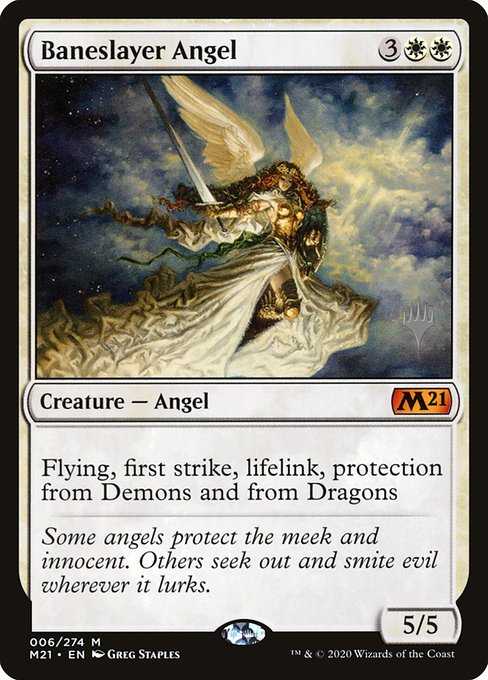

Flying
A flying creature can only be blocked by another creature with flying or reach. Evasion like this turns raw power into damage that actually lands — a deck with no answer to the sky can build a big board and still lose the race to a handful of fliers it can't touch.
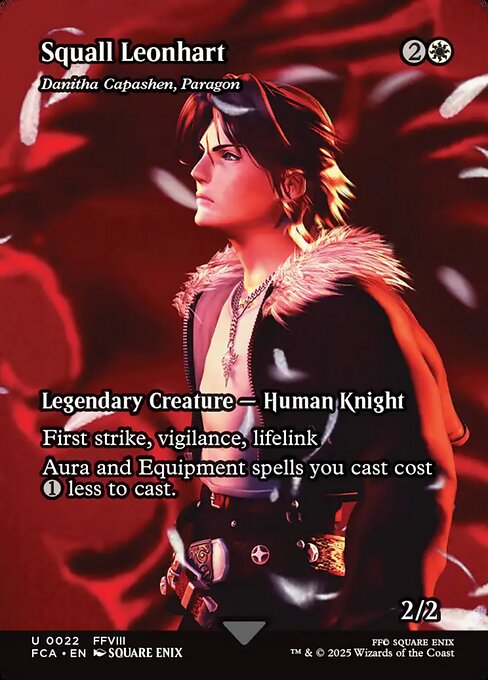
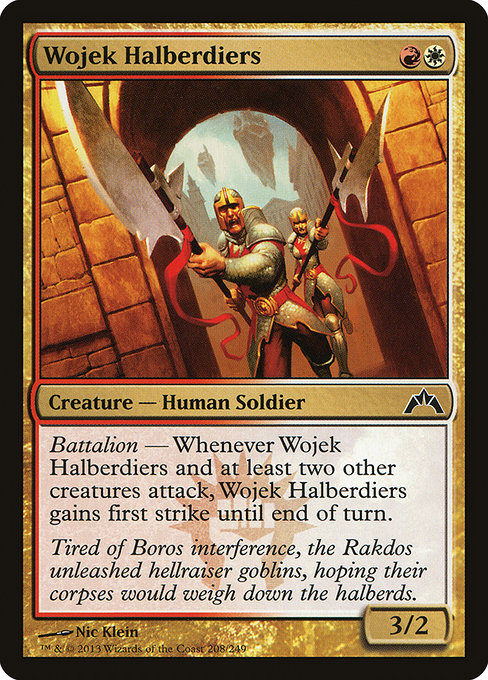
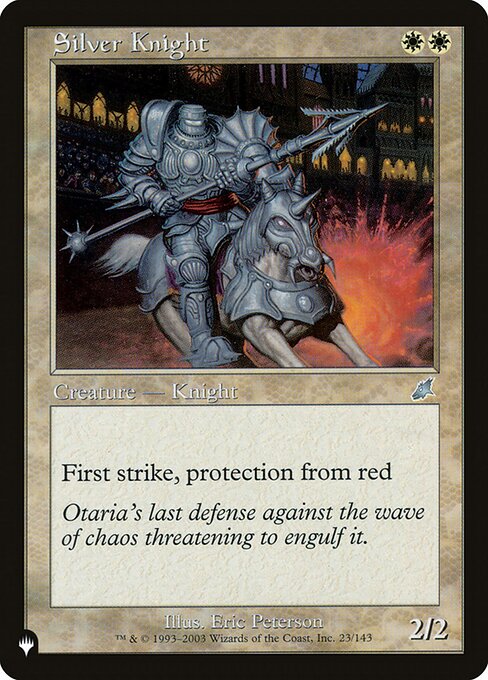
First Strike
A creature with first strike deals its combat damage before creatures without it — so in a fight against an equal or smaller creature, it can kill its blocker before ever taking damage back. It wins fights it should lose on paper, and makes a creature genuinely safer to attack or block with.
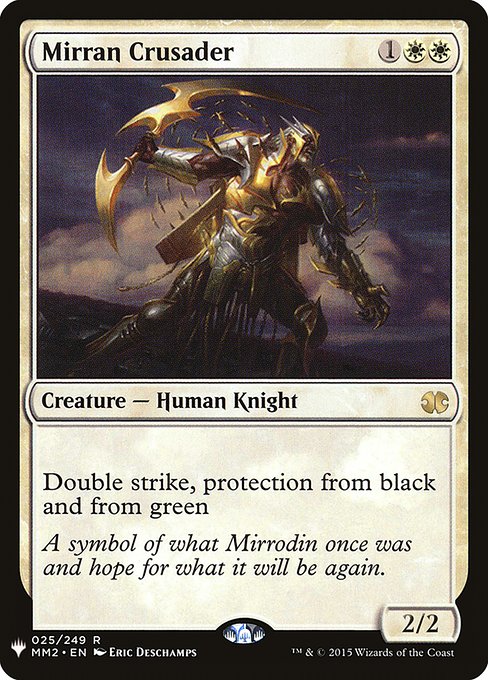
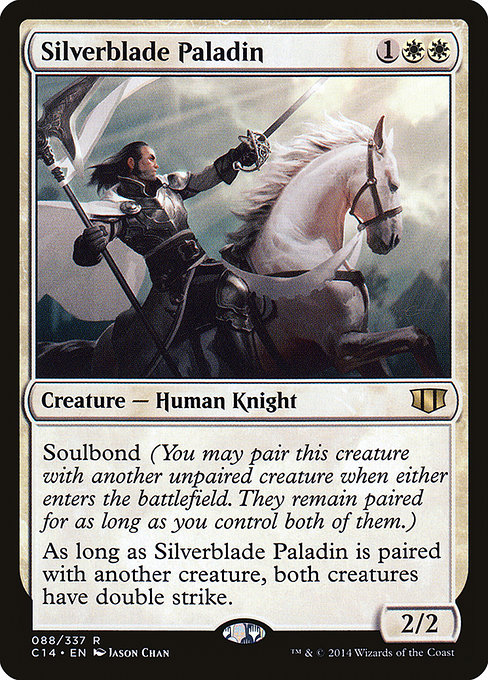
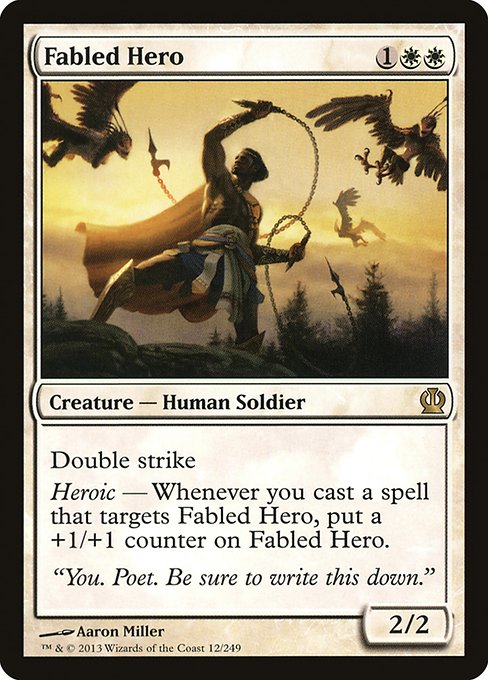
Double Strike
Double strike deals both first-strike and regular combat damage — twice, in the same combat. A double striker effectively hits like two creatures at once, and turns any damage-boosting effect (an Aura, a pump spell, deathtouch) into double the payoff.
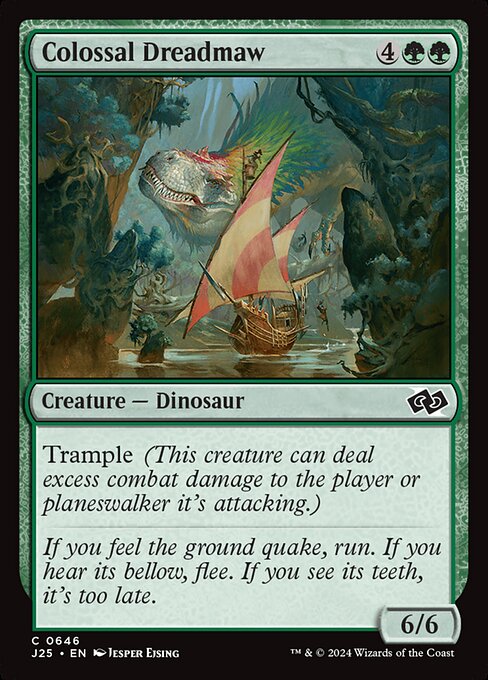
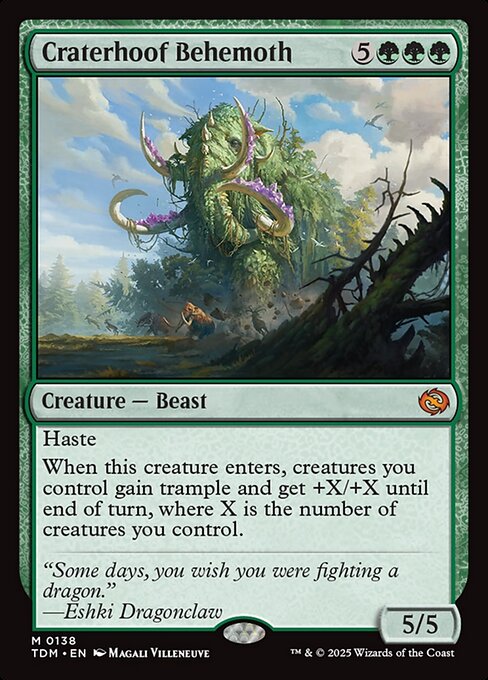
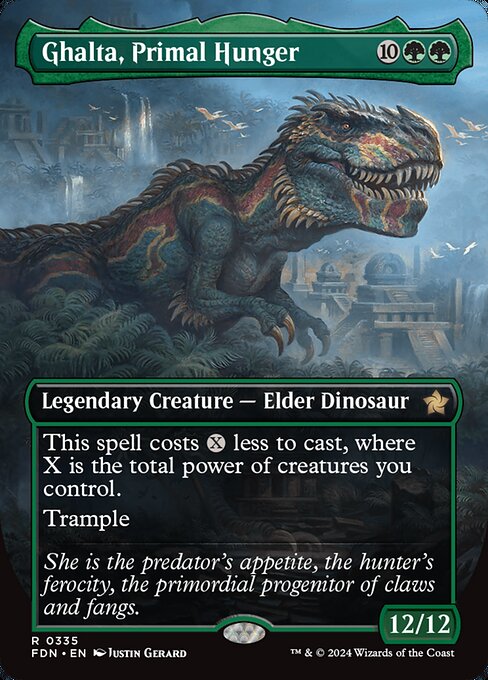
Trample
Excess combat damage beyond what's needed to destroy a blocker carries over to the defending player. A huge trampler can't just be chump-blocked away for free — even a 1/1 thrown in its path barely slows it down.
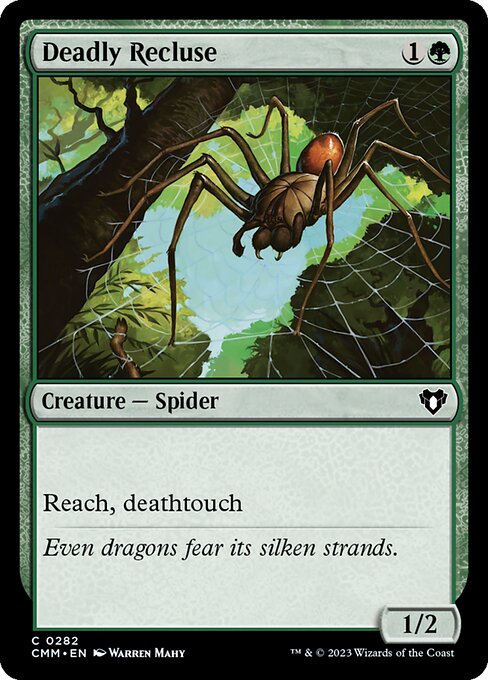
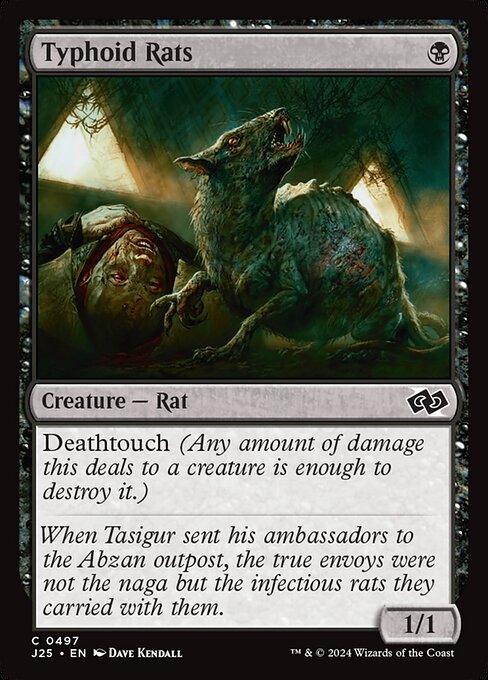
Deathtouch
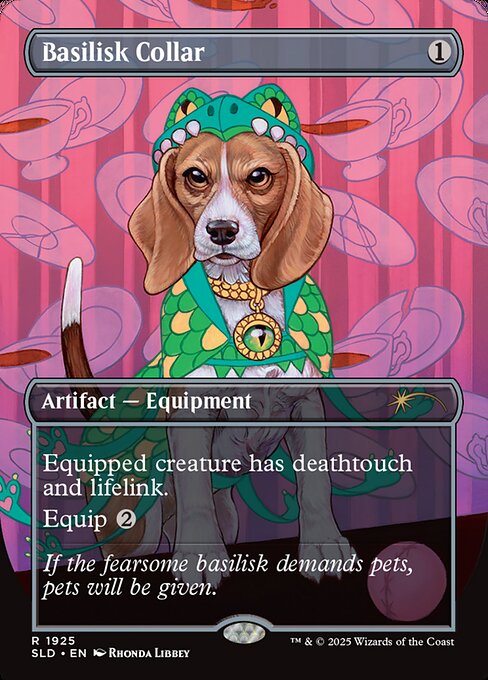
Any amount of damage a deathtouch creature deals to a creature is enough to destroy it. Even a small deathtouch creature trades up against almost anything, which makes it a real threat in combat and a strong deterrent even on turns it never attacks.

Vigilance
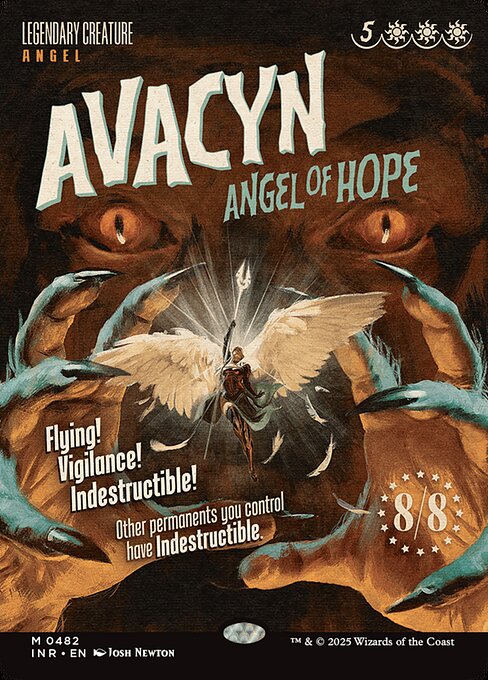
A creature with vigilance doesn't tap to attack, so it's still standing there to block on your opponent's turn. It lets a deck apply constant pressure without ever having to choose between attacking and playing defense.
Reach
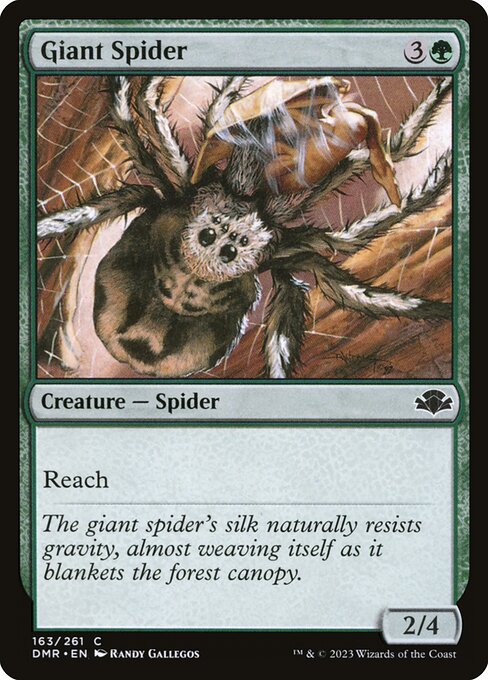
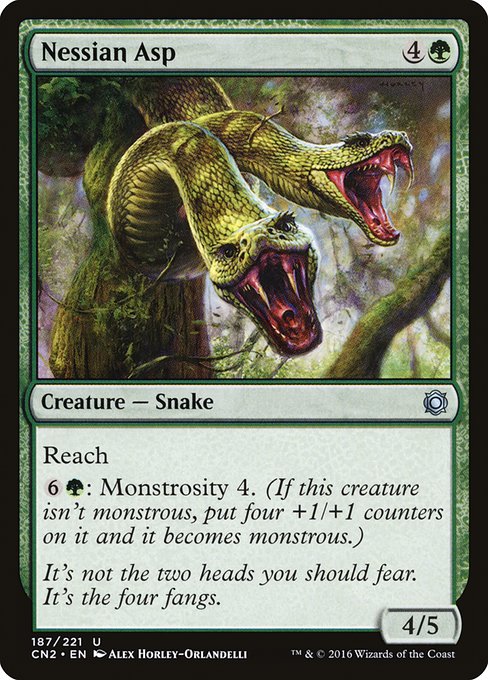
A creature with reach can block creatures with flying, even though it can't fly itself. It's the ground-based answer to an opponent's evasive fliers — the one keyword that actually closes the gap flying opens up.
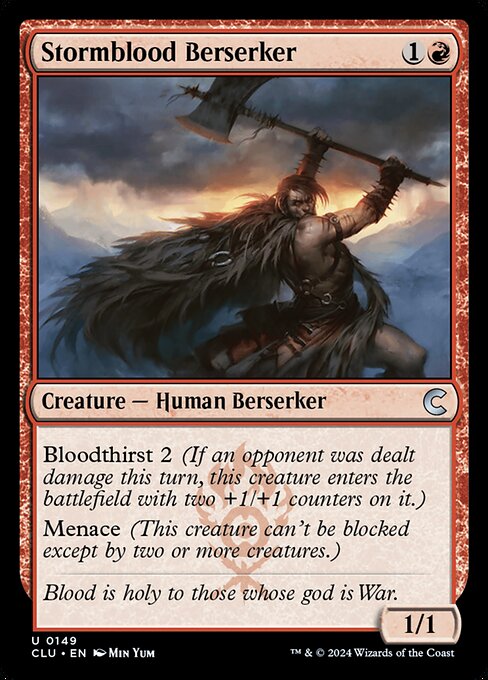
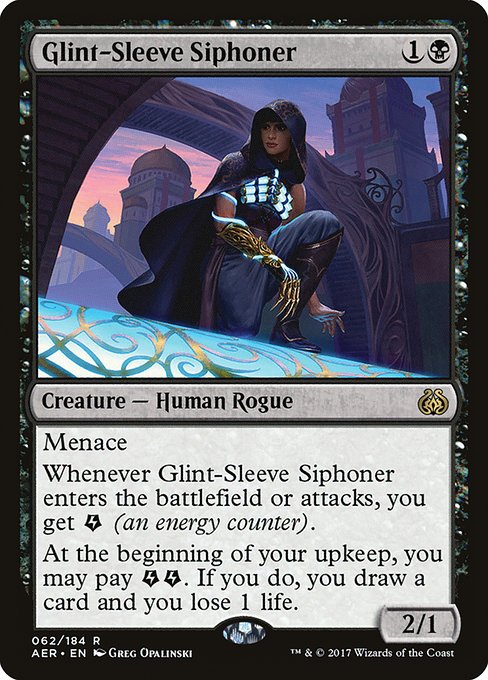

Menace
A creature with menace can't be blocked except by two or more creatures at once. A single blocker is never enough, which makes menace a real problem for an opponent who's already spread thin across the board.
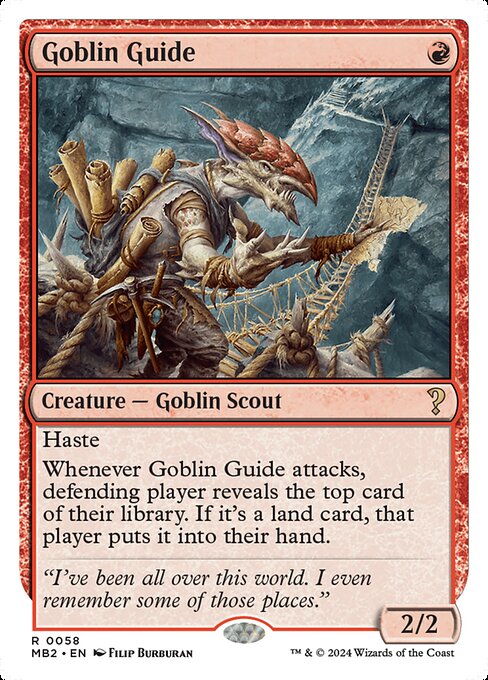
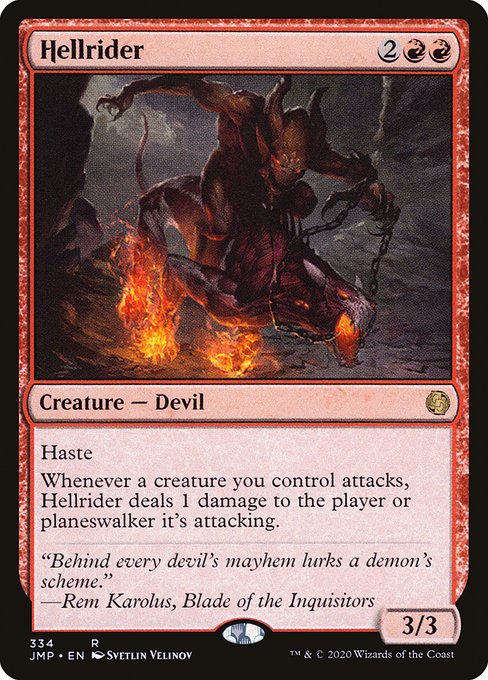
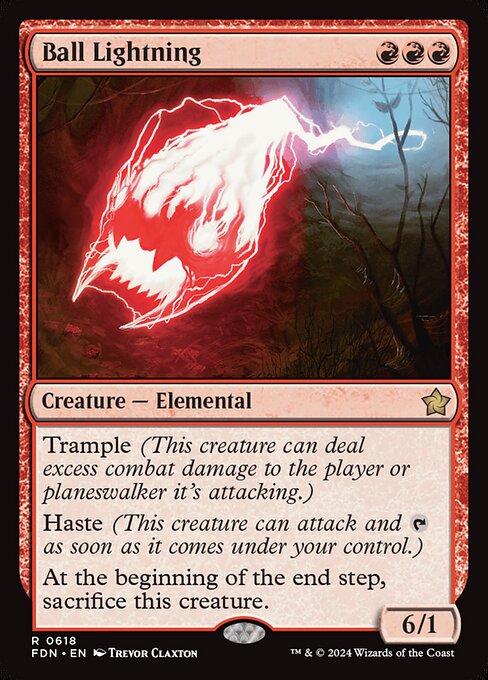
Haste
A creature with haste can attack and use tap abilities the turn it enters the battlefield, skipping the normal one-turn wait every other creature has to sit through. It turns a fresh threat into immediate pressure instead of a promise for next turn.
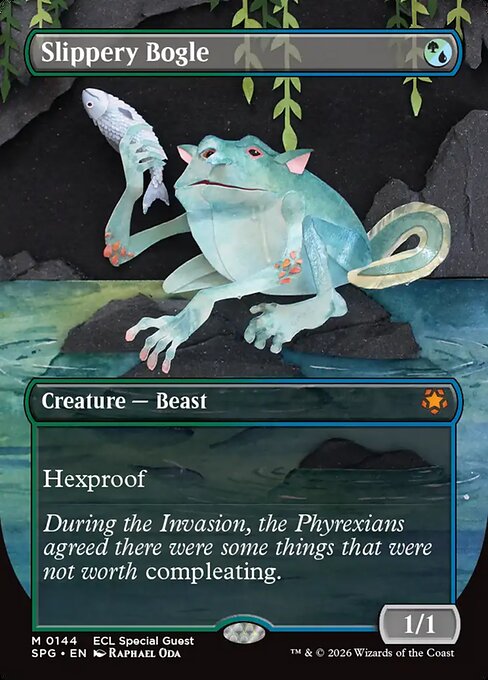
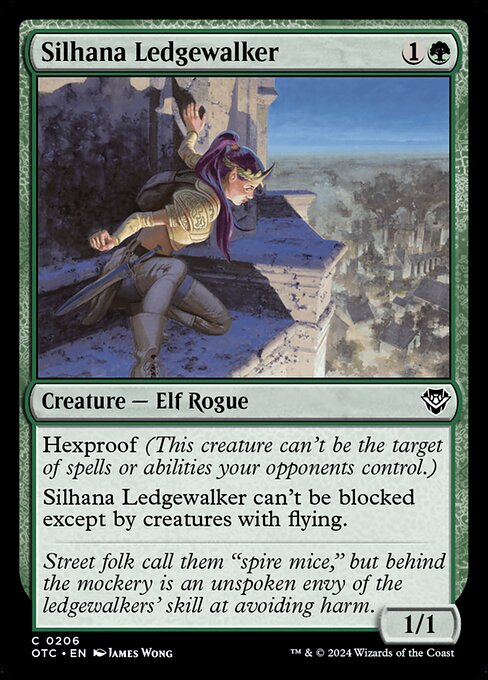
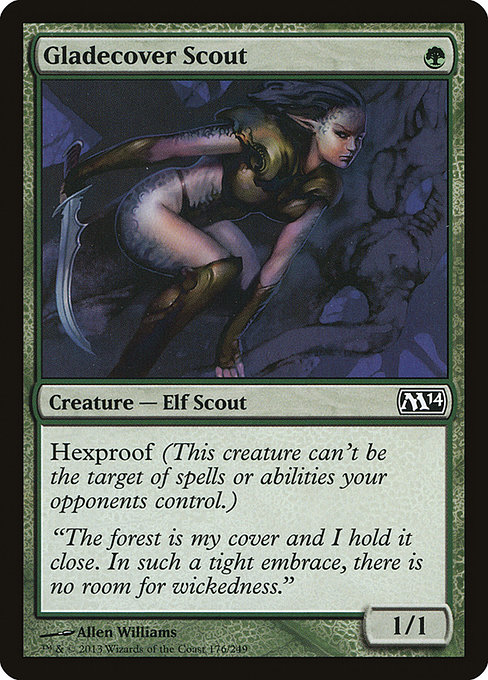
Hexproof
A creature with hexproof can't be the target of spells or abilities your opponents control. It's not immunity to everything — board wipes and combat still work fine — but it shuts out targeted removal completely, which makes a hexproof threat genuinely hard to deal with one-on-one.
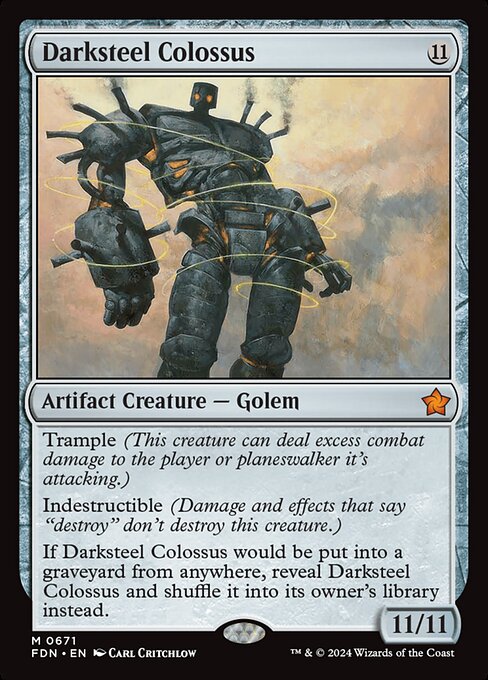
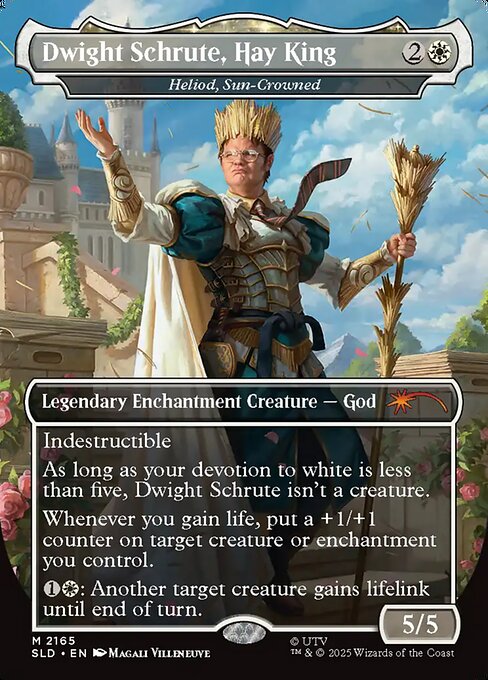
Indestructible
A creature with indestructible can't be destroyed by damage or by an effect that says "destroy," though it's still vulnerable to exile, -1/-1 counters, or having its toughness reduced to 0. It's a real answer to the removal spells that would otherwise end a game on the spot.


Lifelink
Damage a creature with lifelink deals also gains you that much life, whether it's dealing that damage in combat or some other way entirely. It turns a creature's own offense into a second resource, buying real time against a faster deck.
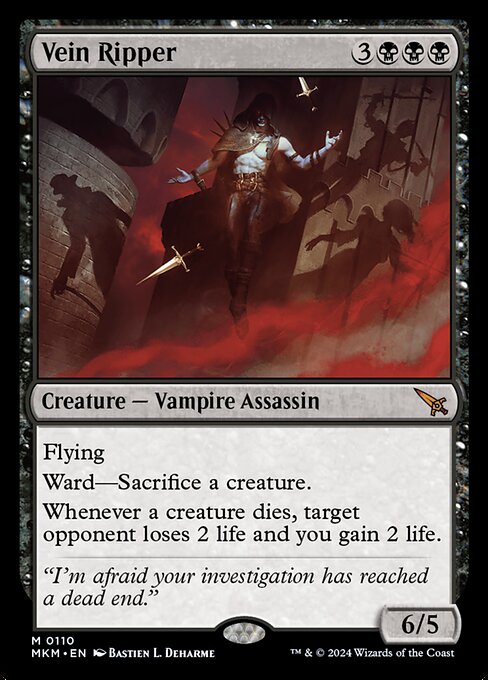
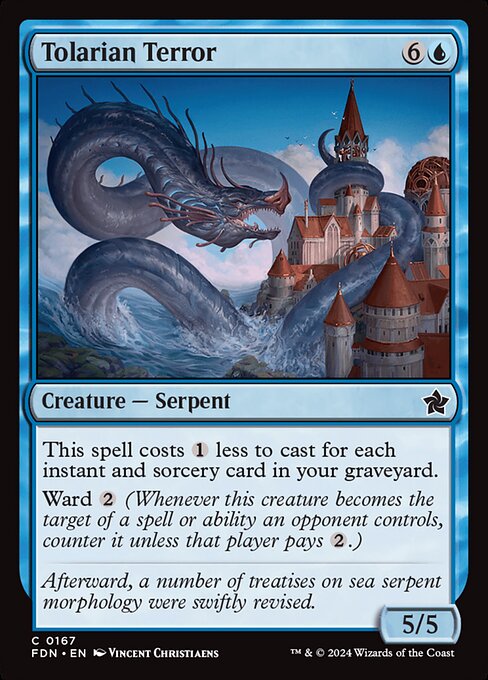
Ward
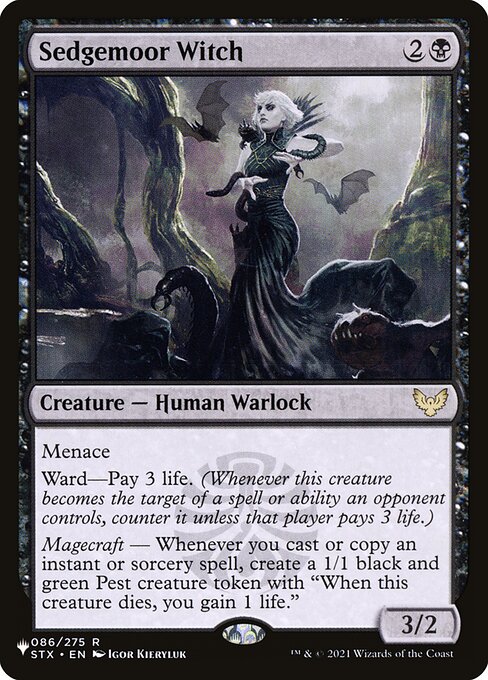
Whenever a creature with ward becomes the target of an opponent's spell or ability, that opponent has to pay a cost or the spell is countered. It's a tax on targeted removal, not a hard block — but it's often enough to make an opponent think twice or pay a real price to answer it.


Landfall
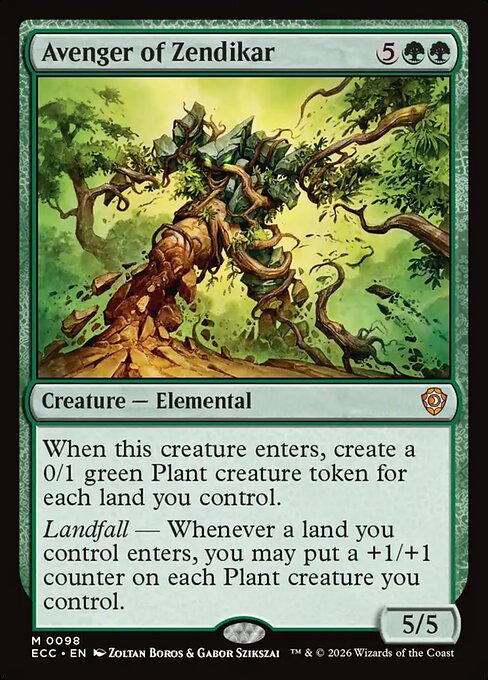
Landfall triggers an ability whenever a land you control enters the battlefield. A deck built around it turns something you're already doing every single turn — playing a land — into a second source of value, tokens, or mana on top of it.
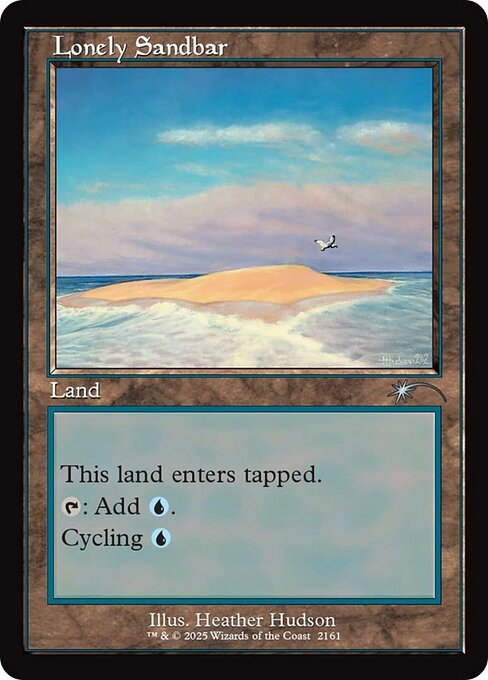
Cycling
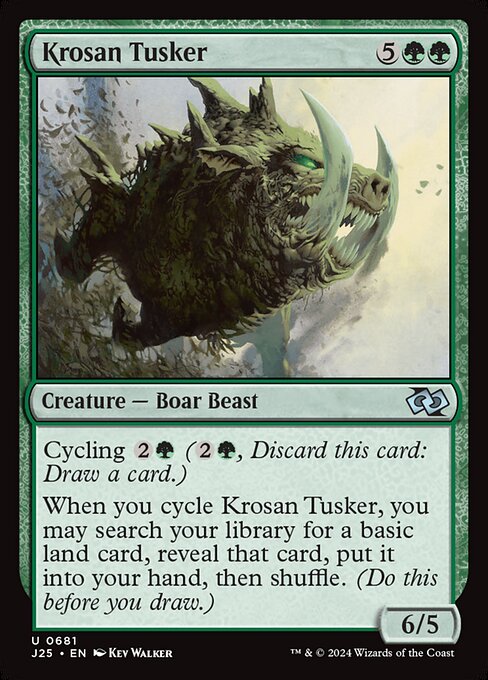
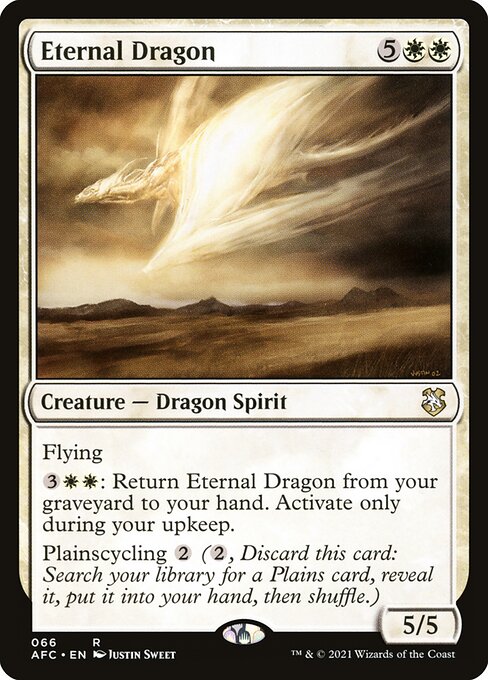
Pay a cost and discard a card with cycling to draw a new one. A card with cycling is never a dead draw late — it's a real spell when you need it, and a fresh card when you don't, exactly the kind of flexibility that smooths out a long game.
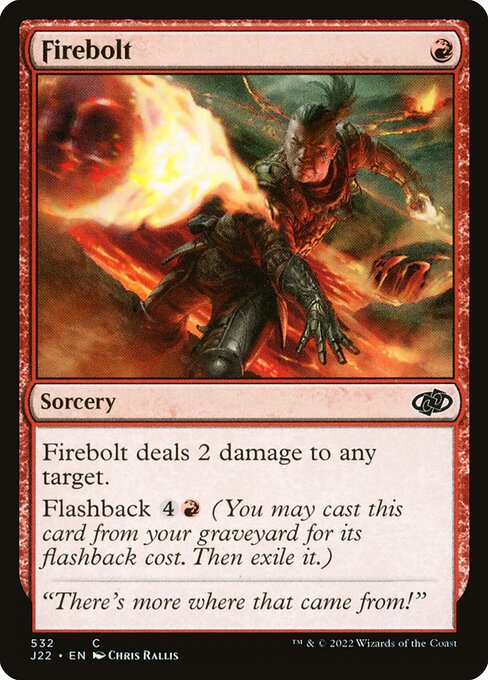


Flashback
A card with flashback can be cast a second time straight from your graveyard for its flashback cost, then it's exiled for good. It turns one card into two real uses — the second one a genuine hedge against removal, discard, or just a spell that would otherwise sit dead in the yard.
Thirteen of these sixteen — everything except Landfall, Cycling, and Flashback — are "evergreen": Wizards prints them in nearly every set, so you'll see them constantly. Landfall, Cycling, and Flashback aren't evergreen, but they're long-running mechanics that keep coming back across many different sets rather than showing up once and disappearing. This is a real starting point, not the whole list — Magic has printed hundreds of keyword abilities over the decades, most of them tied to just one or two sets.
Beyond Keyword Abilities
Not every real mechanic is a single word printed on a card the way Flying or Trample is. Poison and planeswalker loyalty are core rules concepts built into the game itself, and Amass, Recruit, Discover, and Backup are all genuinely current, recurring mechanics — the kind of thing you'll keep running into as new sets release, not a one-off from a single product.
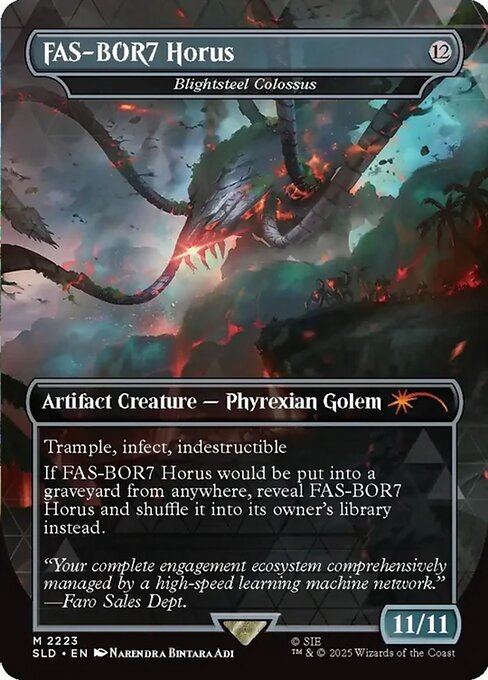
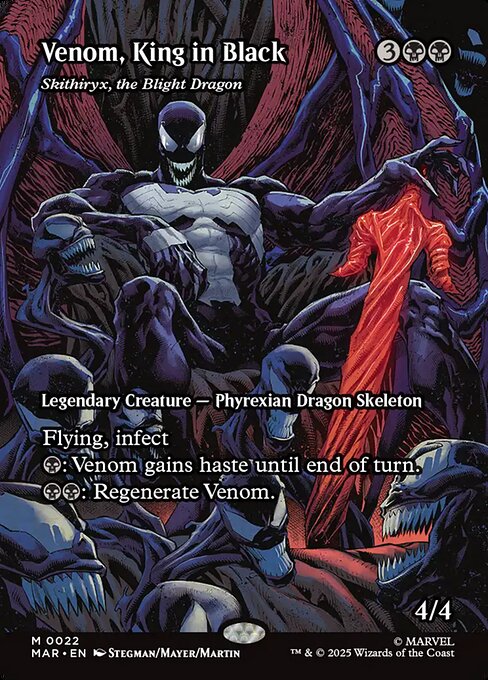
Poison
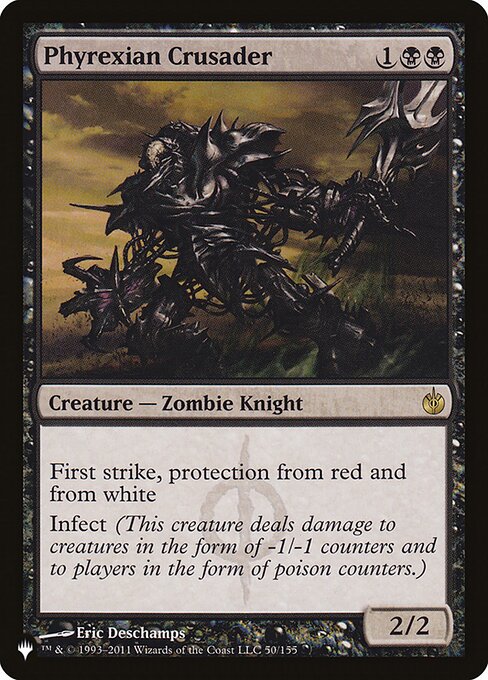
Ten poison counters and a player loses the game immediately, regardless of their life total. Infect (and its more recent successor, Toxic) deal damage to creatures as -1/-1 counters and to players as poison counters instead of normal damage — a deck built around it isn't racing anyone's life total, it's counting to ten a completely different way.

Loyalty & Planeswalkers
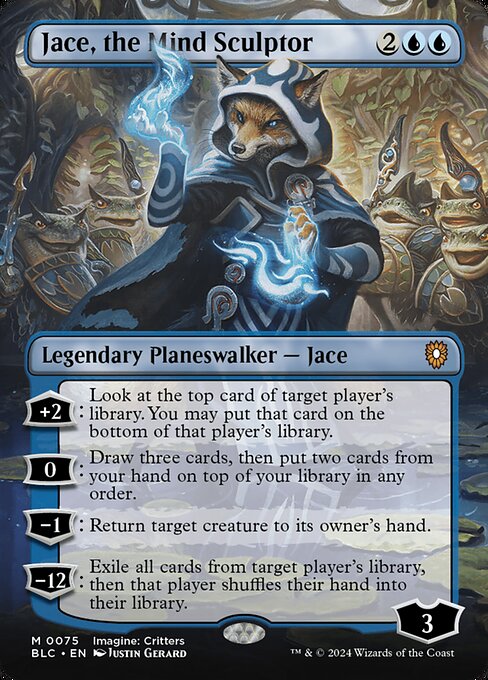
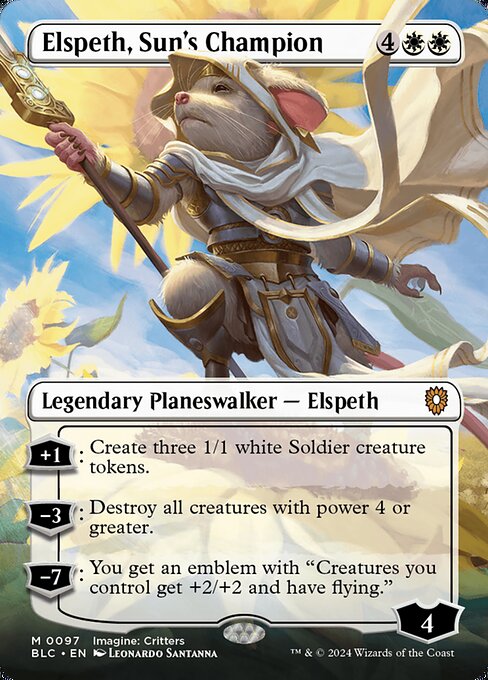
A planeswalker enters with a starting number of loyalty counters and can use one of its own loyalty abilities each turn — a plus ability adds counters, a minus spends them for a bigger effect, and hitting zero loyalty destroys it. Attacking a planeswalker directly, instead of its controller, is one of the only ways to pressure it without spending a card.

Amass
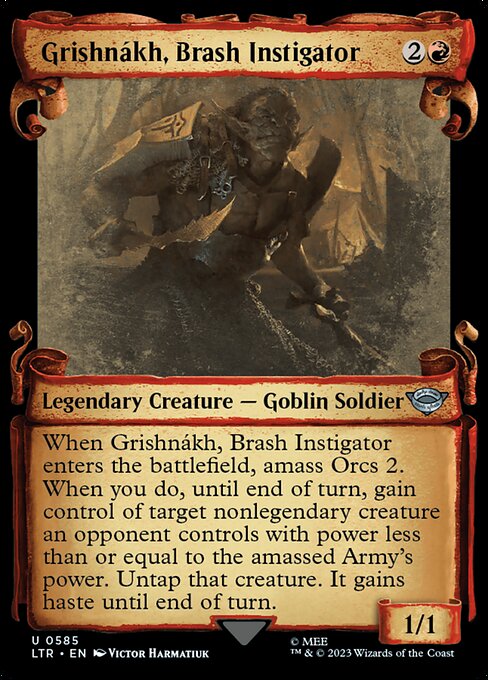
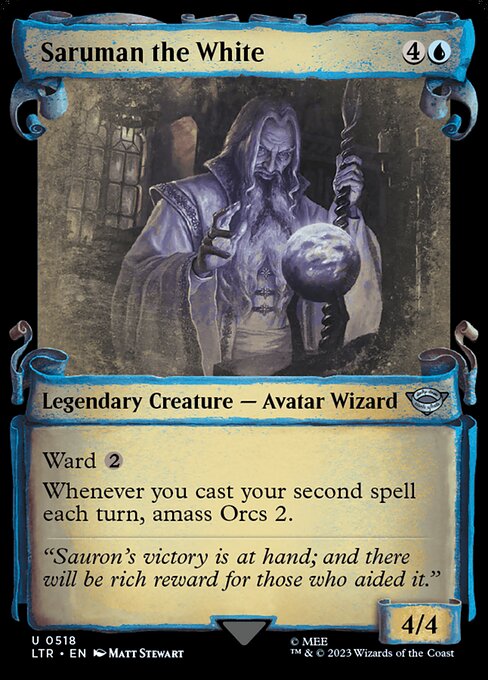
Amass puts +1/+1 counters on a shared Army creature you control, creating a 0/0 Zombie Army first if you don't already have one. Every source of amass in a deck is really growing the same one creature, not building several separate threats.


Recruit
One of the newest mechanics in the game, introduced in The Hobbit — draw a card, then discard a card, and if the discard was a nonland card you create a 1/1 white Human Soldier token. It rewards playing extra lands you don't need almost as much as it rewards digging for the one you do.
Discover
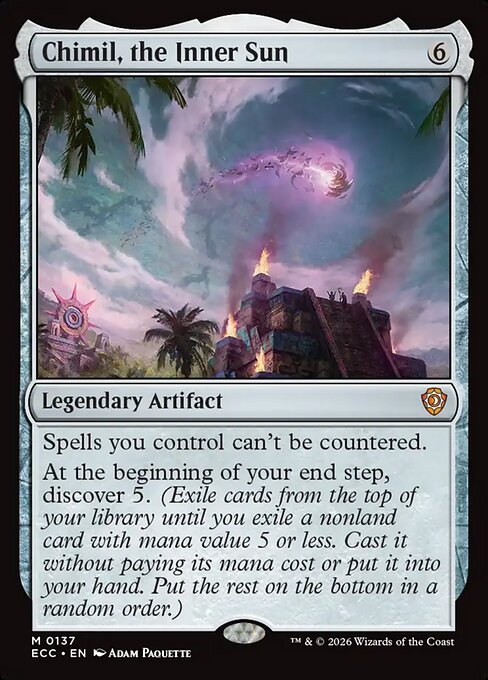
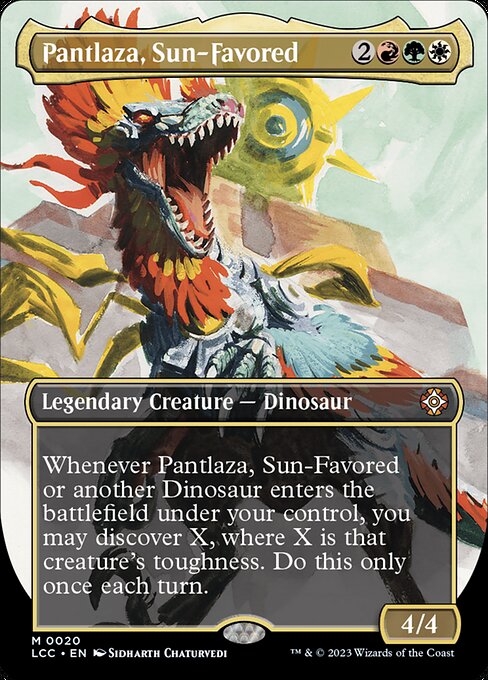
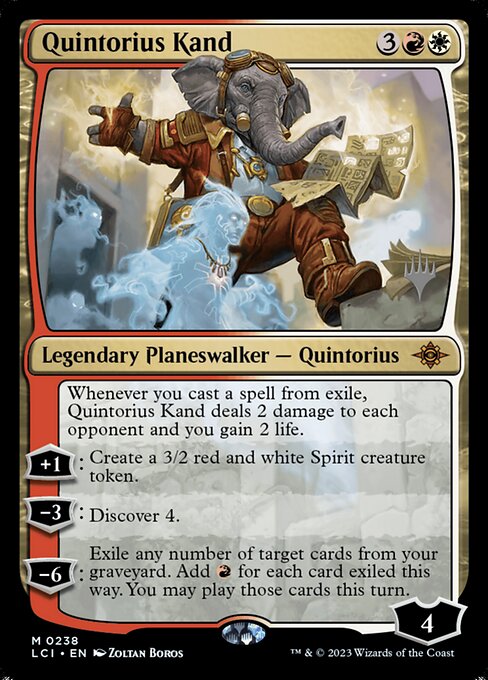
Discover X exiles cards from the top of your library until you hit a nonland card with mana value X or less, then you may cast it free. It's Cascade with a fixed target number instead of a moving one, which makes it easier to build a deck that reliably hits something good.

Backup
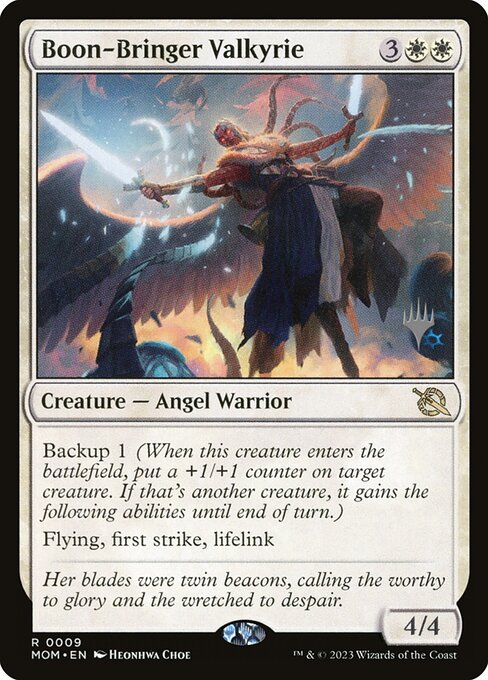
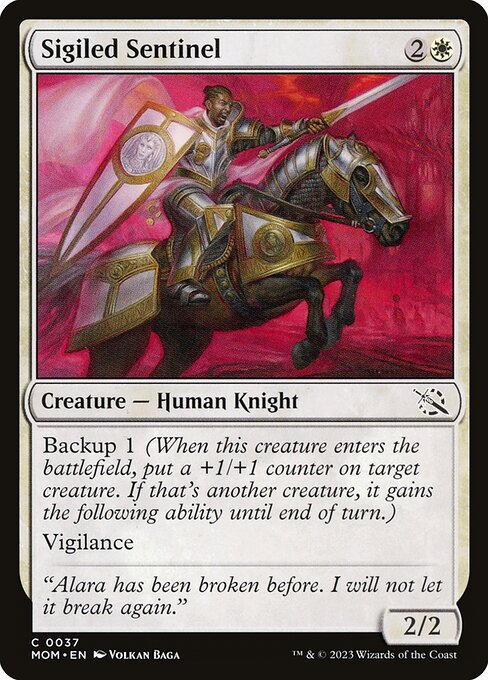
When a creature with backup enters, put that many +1/+1 counters on a target creature — including itself — and if the target isn't the creature with backup, that target also gains all of its abilities until end of turn. A backup creature is really two effects in one: a permanent boost, and a temporary ability-sharing trick.
See a Mechanic You Don't Recognize?
Every mechanic pill you run into across the app — on a card, a deck tile, a search result — already explains itself on hover. Open the Deck Studio and start building; you'll never be left guessing what a keyword actually does.
Go to the Deck Studio