Reading the Board
A board state carries far more information than a glance gives you credit for — life totals, open mana, what's already in the graveyard, and every choice made in combat all say something about the plan behind them.
Before Anything Else: Scan the Whole Board
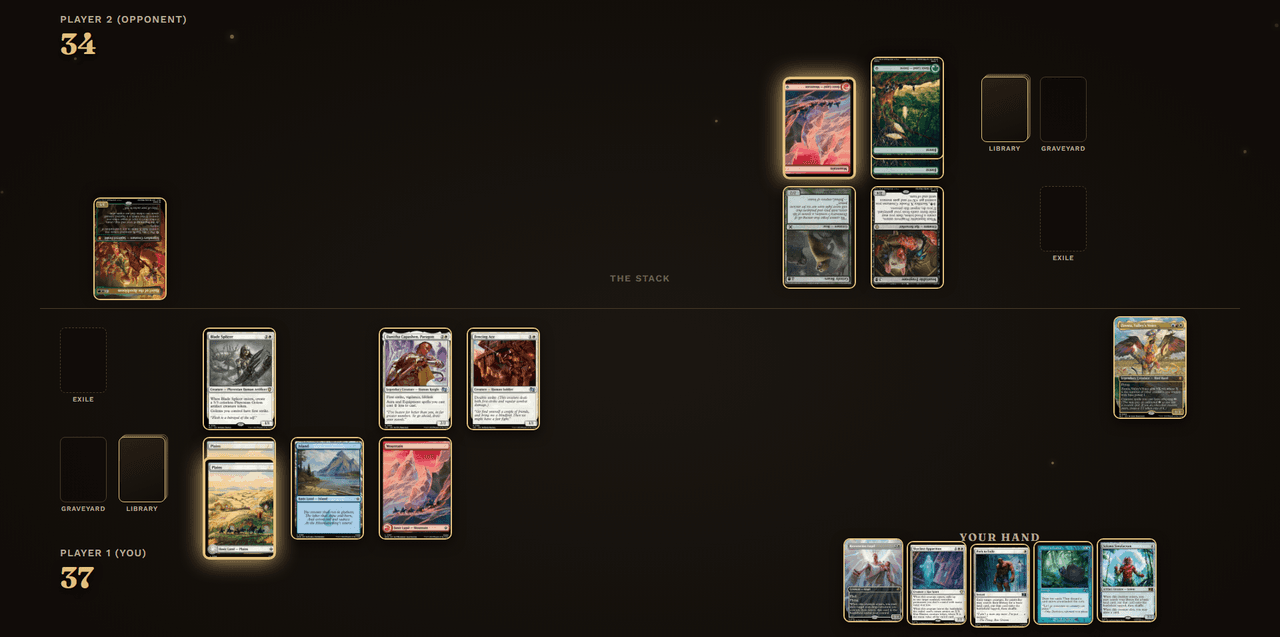
Start with life totals
Every plan starts with knowing the score. A player at 12 plays very differently than a player at 38 — check every life total before you decide anything else.
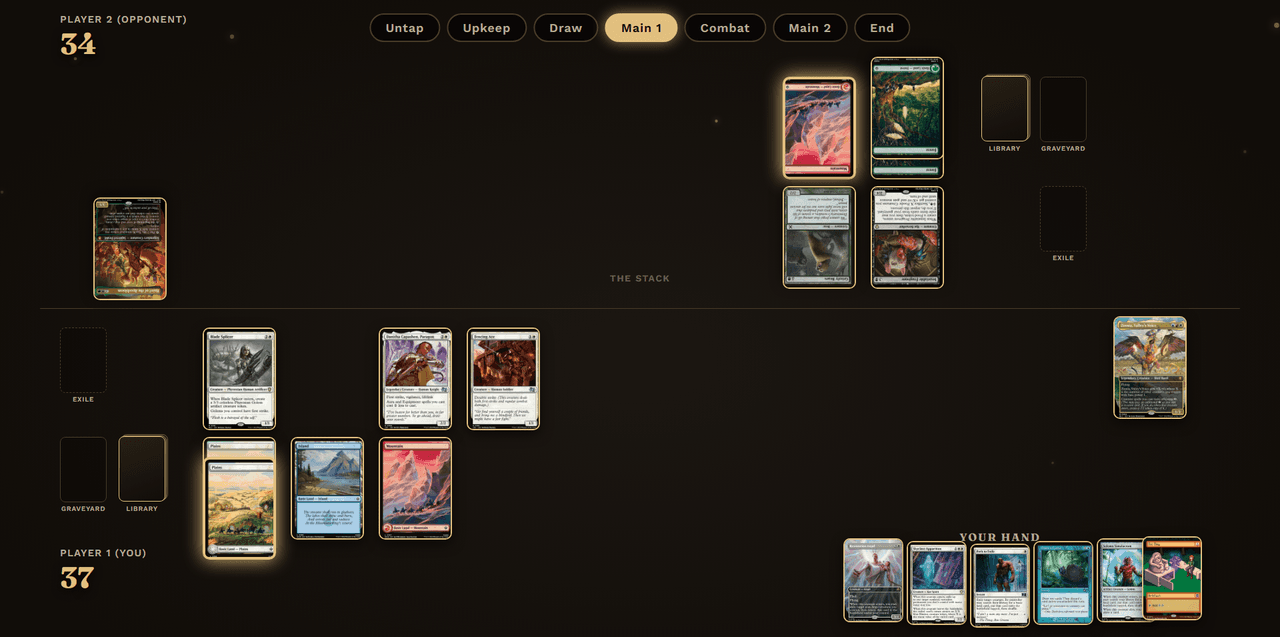
Count untapped mana
Untapped lands are a threat even when nothing's happening yet. An opponent holding up mana in their colors is telling you to expect a trick.
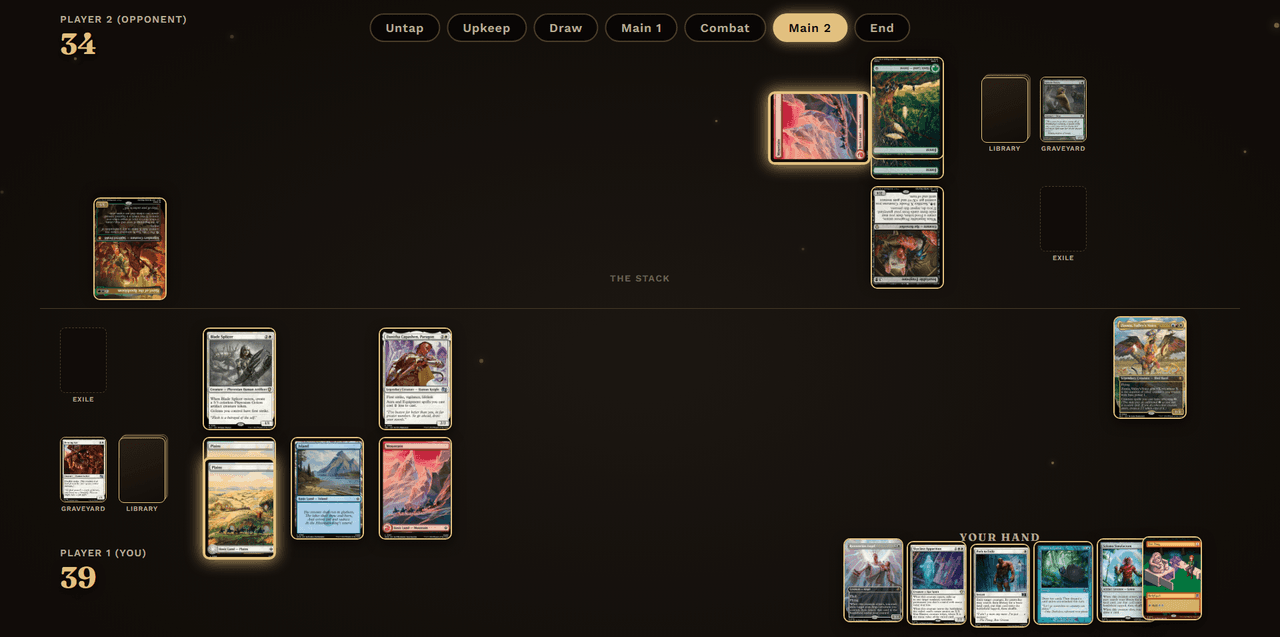
Check the graveyard
What's already died tells you what's already been used — and what a recursion effect could bring back. A full graveyard is information, not just a pile of used cards.
Notice what's missing
An empty battlefield slot, a land that never got played, a color of mana nobody's tapped — a gap in the board is often as telling as what's actually on it.
During Combat: Read the Signals
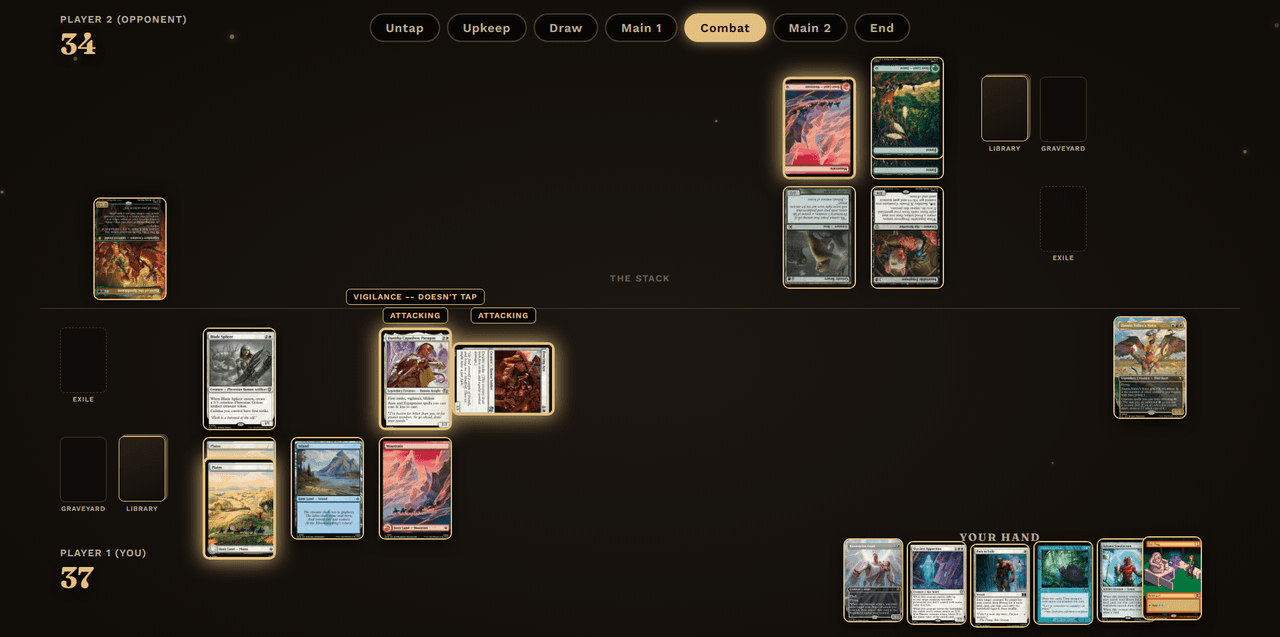
Watch which creatures attack — and which don't
A creature staying home is doing a job too, whether that's blocking or holding up an ability. Attackers chosen — and left behind — both say something about the plan.
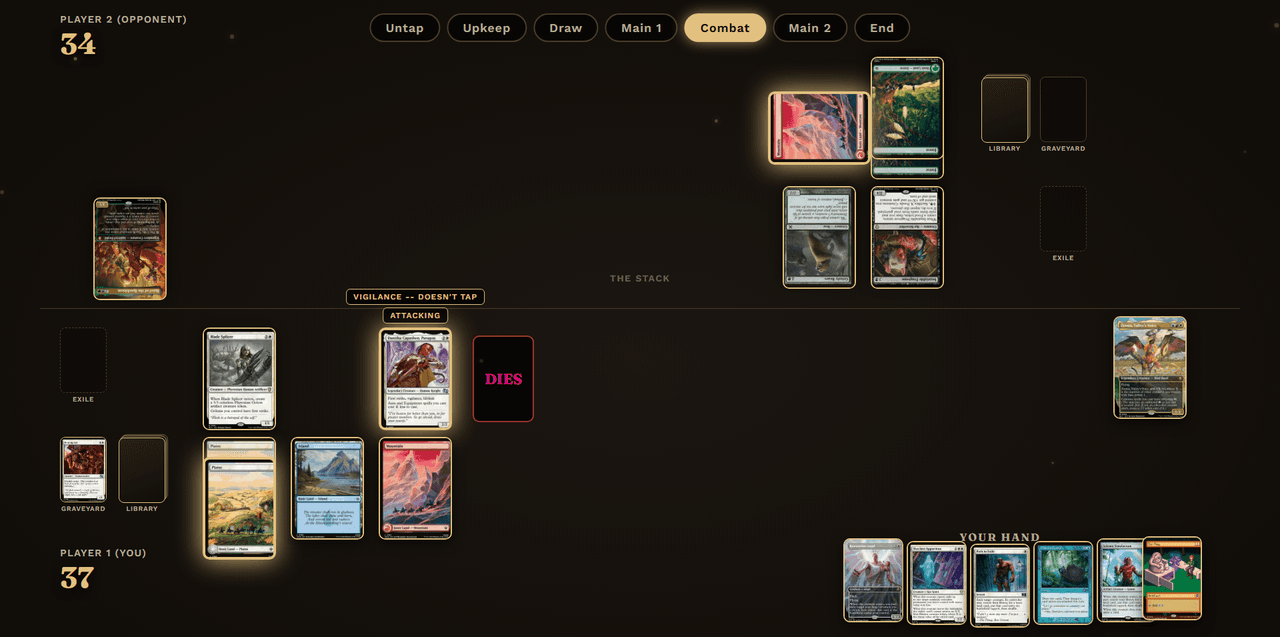
A spell cast mid-combat is a decision, not a reflex
Casting removal in response to an attack, instead of before or after it, means the caster was waiting to see exactly what happened first.
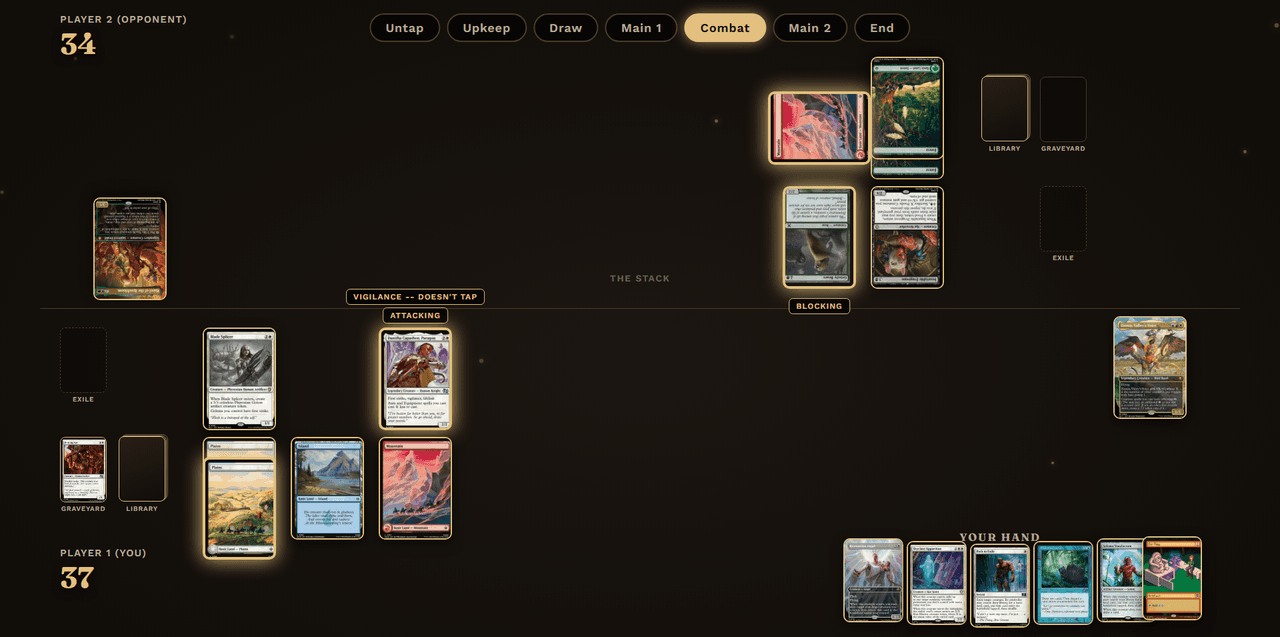
Blocks show you what they're protecting
A block that trades down, or doesn't happen at all, tells you what the defender values more than the creature they didn't send in.
Keyword badges change the math
Vigilance, first strike, deathtouch — a small label next to a creature can flip who actually wins a fight. Read the labels, not just the numbers.
Two Habits Worth Unlearning


Life (and Your Library) Are Resources, Not Trophies
You can win a game of Magic with exactly 1 life left, and a card sitting mid-deck does nothing for you until it's actually drawn. Blocking every point of damage, or refusing to mill yourself, often costs more than the resource it's protecting was ever worth -- sometimes the better play is just to spend it.
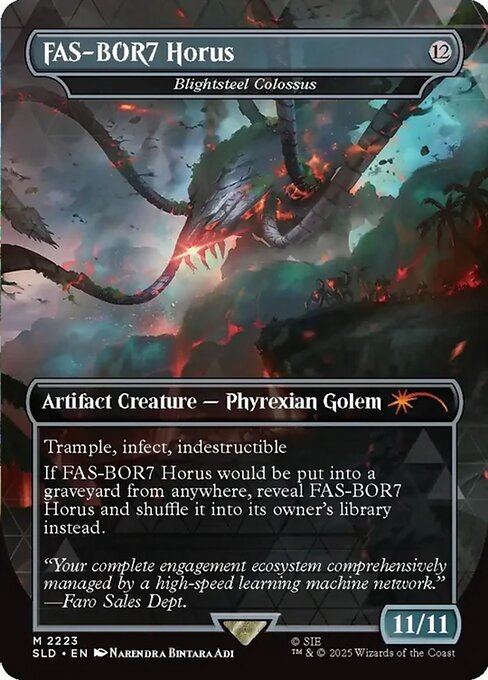
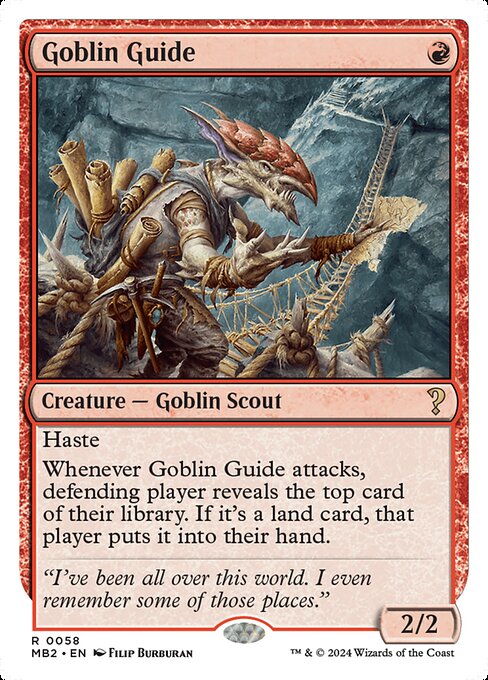
Fast and Light Beats Big and Slow — Sometimes
A single huge finisher can end a game in one swing, but only if you survive long enough to cast it. A cheap attacker that hits every single turn adds up fast -- by the time a big, slow plan is finally ready to close the game, aggro's often already there.
Ready to Build Something Worth Reading?
A well-built deck gives an opponent more to think about — open the Deck Studio and put these ideas to work on your own board.
Go to the Deck Studio