Building a Deck
Going from a pile of cards to a deck that actually does something is a real, ordered process — pick a foundation, build out the curve, know what you're up against, then check your work before it hits the table.
Choosing Your Foundation

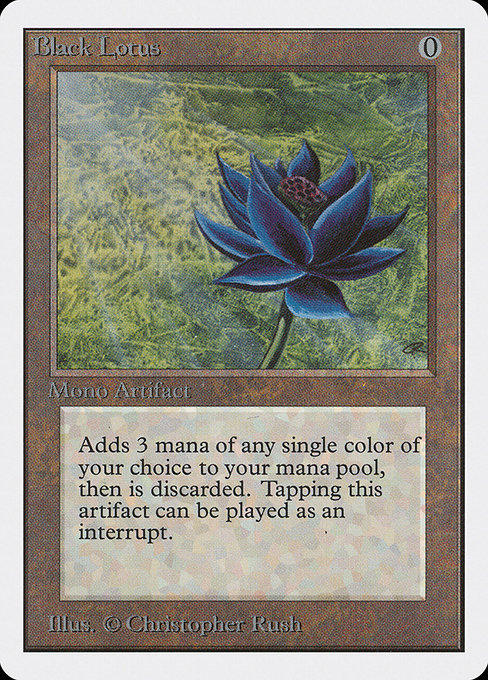


Pick a format before anything else
Format decides your deck size, singleton rules, and legal card pool. Click a format below to see what it actually means.
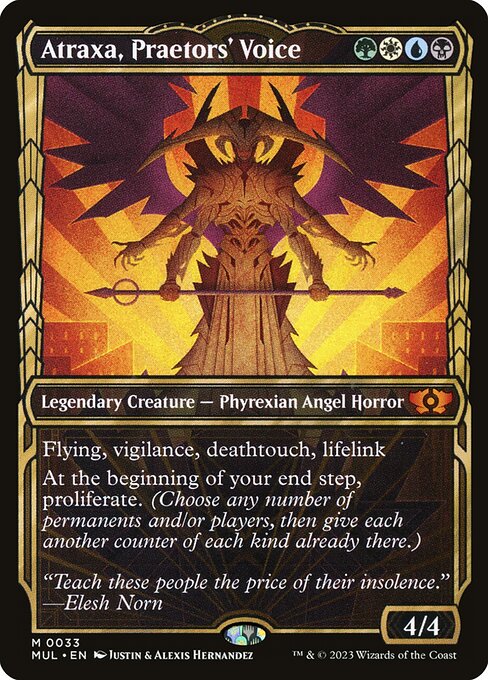
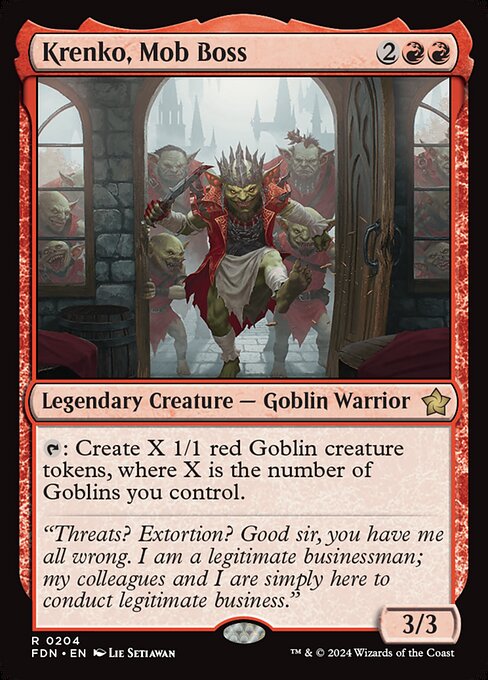
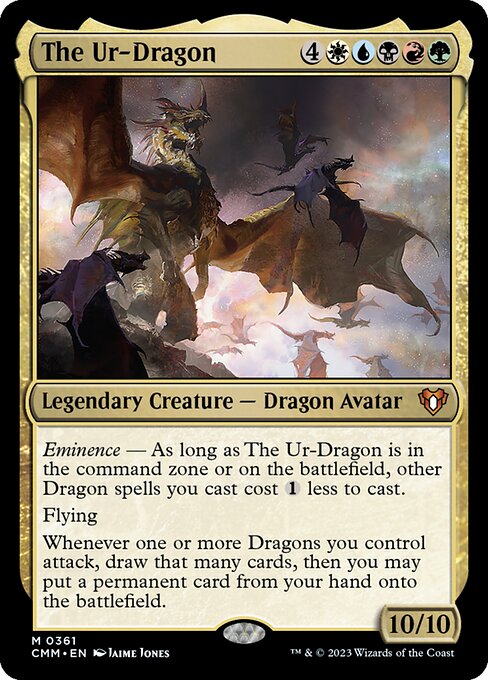
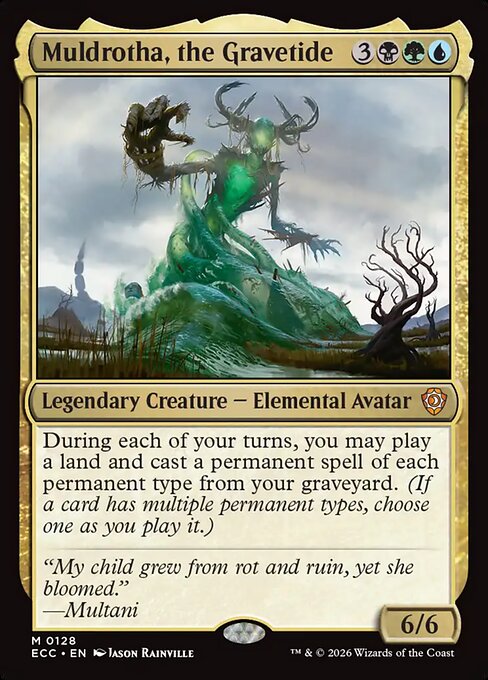
Your commander sets the identity
In Commander, your commander's own color identity is the hard limit on what the rest of the deck can play — every commander draws that line differently.


A great card can still be the wrong color
Power level doesn't override color identity. A card outside your commander's colors simply can't be played, no matter how good it is.

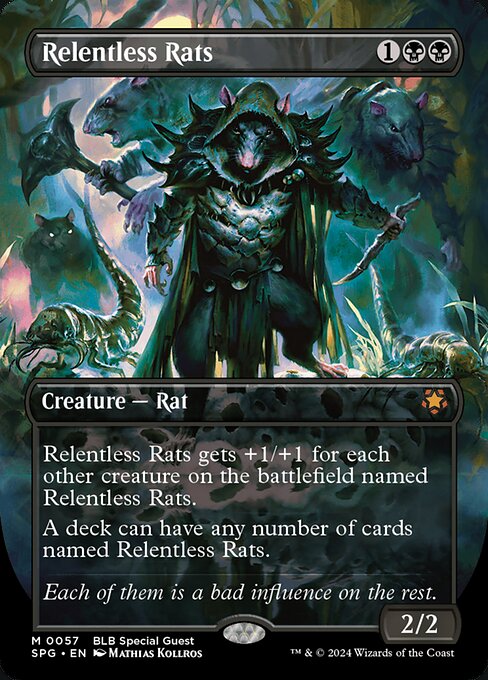
Copy limits are real, except when a card says otherwise
Commander caps you at one copy of anything outside basic lands — but a handful of real cards explicitly rewrite that rule for themselves.
The Curve
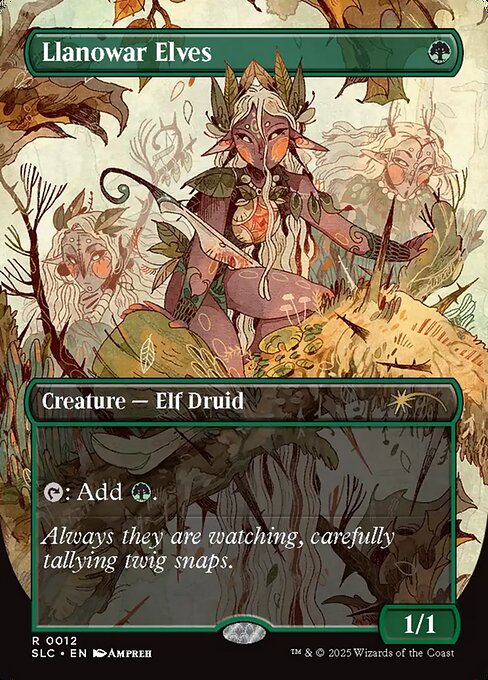
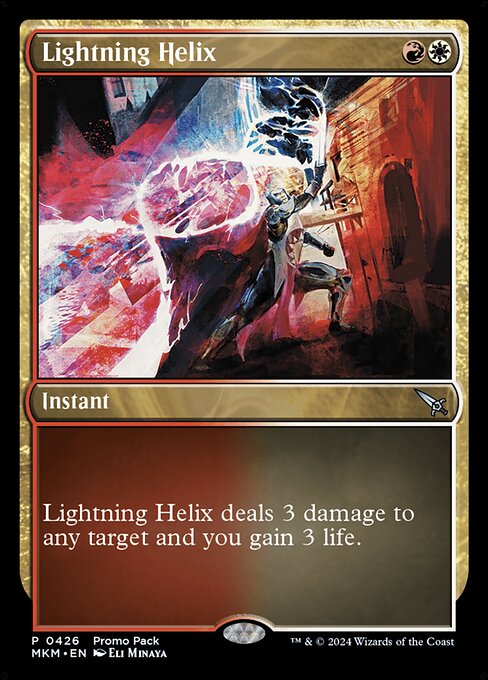
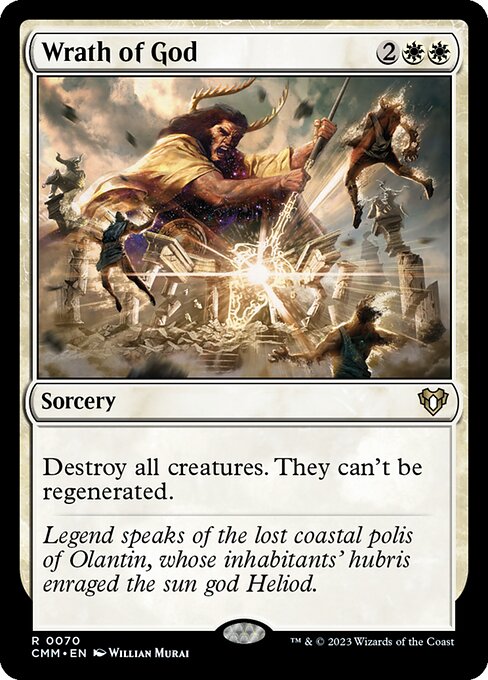
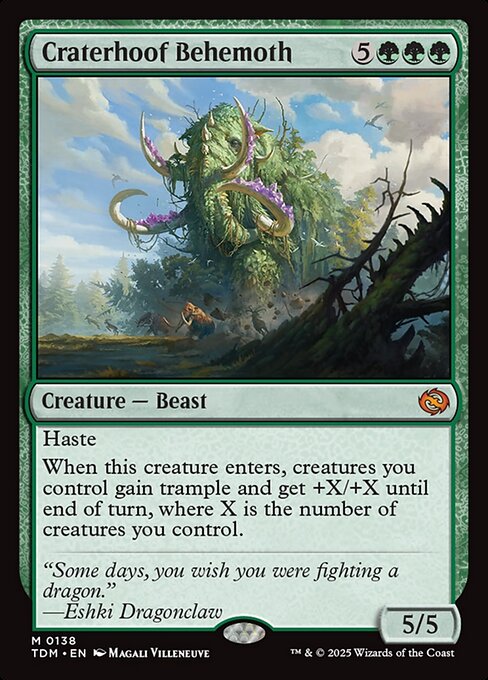
Watch your curve as you build
Cheap, early plays aren't filler — they're what makes the rest of your curve castable on schedule.


There's no one right shape
A curve stacked too high stalls out; one stacked too low runs out of gas. Know what your top end actually needs to get there.

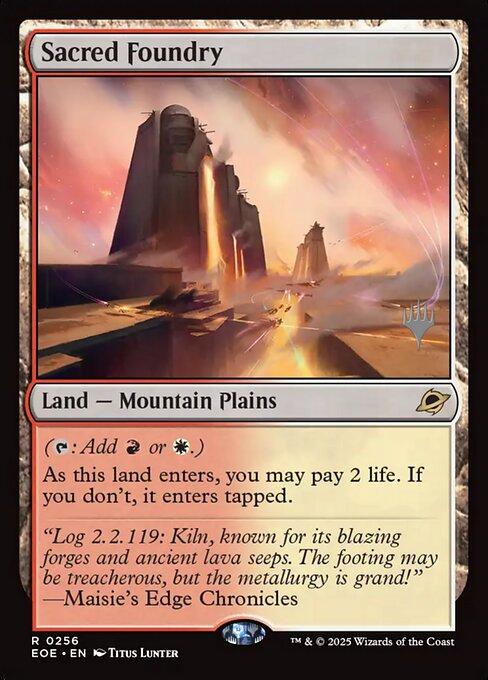
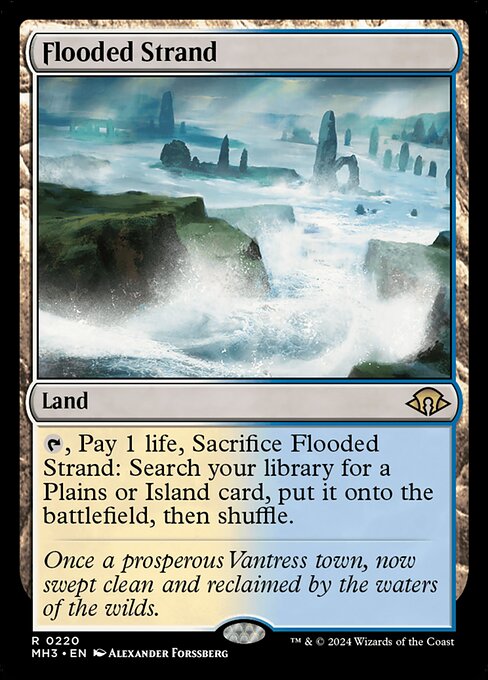
Land count is a real decision, not a guess
Too few lands and you never cast anything; too many and you flood. Different lands earn their slots for different reasons.


Your mana base should match what you're actually casting
A land base built for a different color split than your actual spells is a problem you can fix before it ever costs you a game.
Archetype & Color Matchups
Knowing how your kind of deck actually tends to fare against a different one — not just how it feels to pilot — is one of the hardest parts of deck building to get right. These are real, well-established Commander matchup dynamics, not a fabricated head-to-head number.

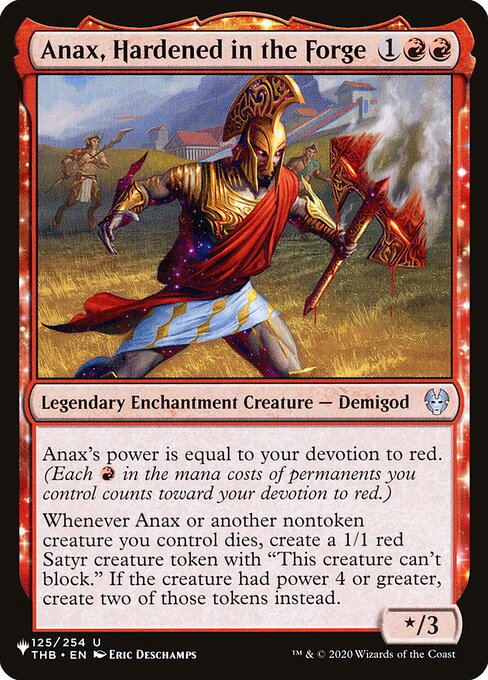


Boros Aggro




Dimir Control
Aggro vs. Control: the race against the wipe
Aggro wants the game over before a control deck's expensive answers come online. In Commander's 40-life, multiplayer format that window is real but narrow — one board wipe resets an aggro deck's whole investment at once, which is why control's edge tends to be stronger here than in 1v1 formats.
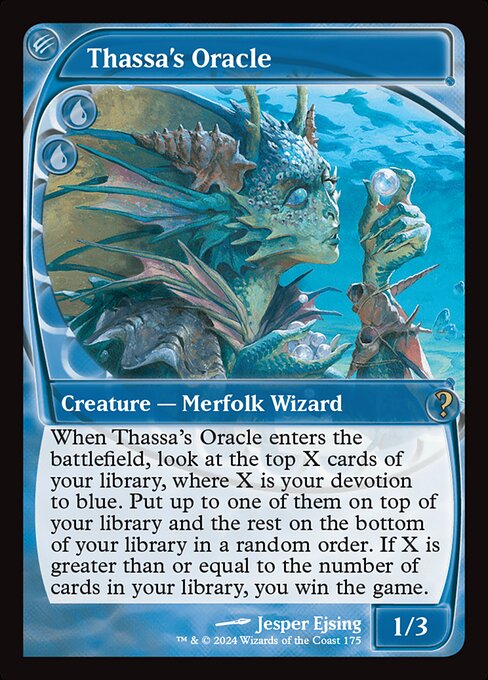

Dimir Combo
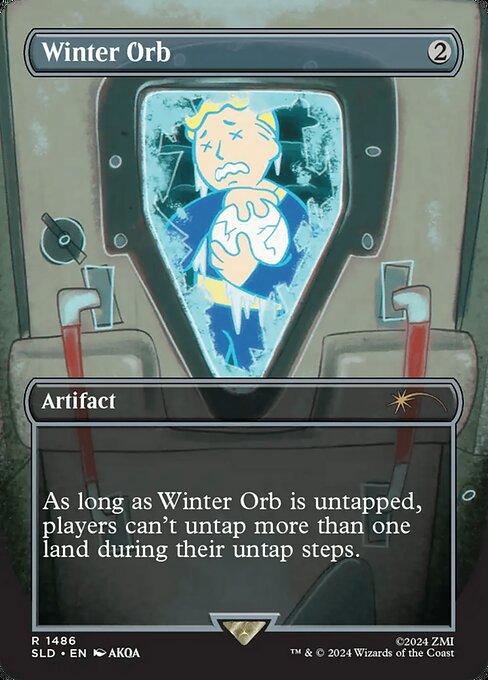
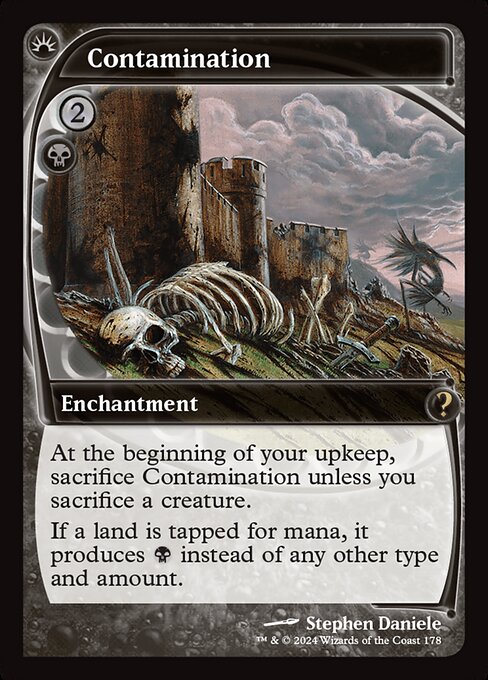
Mono-Black Stax
Combo vs. Stax: denying the pieces
Combo decks need a small number of specific pieces to resolve, uninterrupted. Stax directly denies the resources — extra land drops, untapped mana, cheap spells — that a combo deck needs to assemble and protect its plan on schedule, a real structural counter most other archetypes don't apply.



Mono-Green Ramp
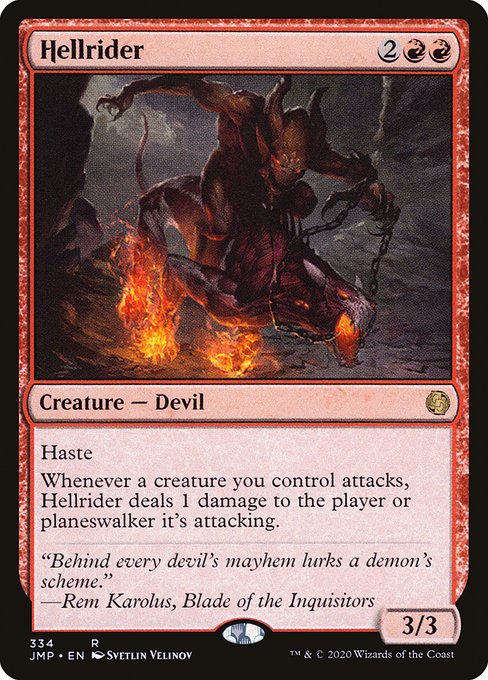
Mono-Red Aggro
Ramp vs. Aggro: surviving the early turns
Ramp's early turns build mana, not board presence — a real window for aggro to attack into. Once ramp reaches its big-threat turns, those threats usually outclass what aggro can put up, so this matchup often comes down to whether aggro can close it out before that window closes.

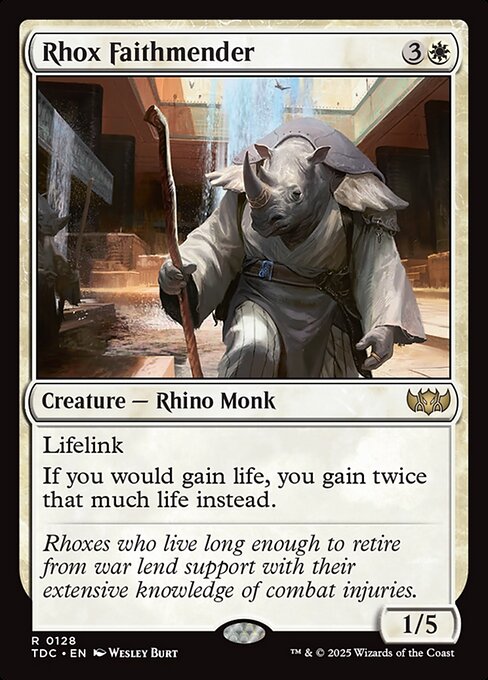
Selesnya Lifegain
Mono-Red Burn
Lifegain vs. Aggro/Burn: countering the win condition directly
This is the most direct counter-relationship of the four — steady, repeatable lifegain attacks aggro and burn's actual win condition (reducing life to zero), a real structural answer to damage-based strategies specifically, though it does nothing against a non-damage plan.
Checking Your Work
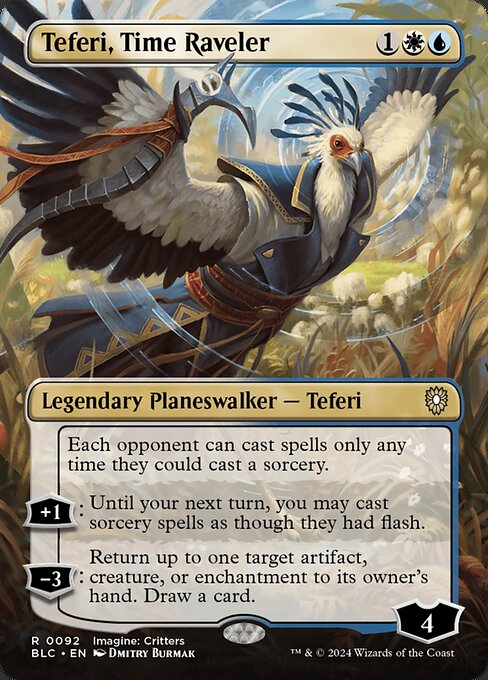

Watch for combos hiding in your own list
Two or three cards that individually looked fine can add up to something much stronger — or a real win condition — once they're in the same 99.


A well-built deck still needs interaction
Try to anticipate what your opponent might play, and have real ways to counter and address it — a deck that only plays its own game plan can lose to anything it can't answer.


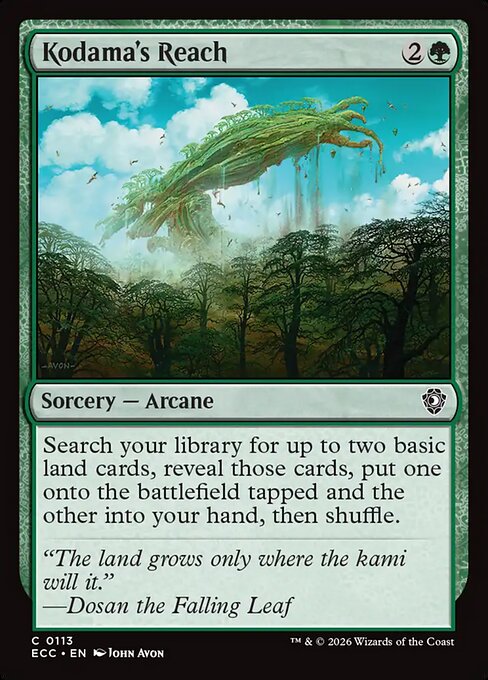
Look for redundancy in your key effects
Relying on a single copy of your one ramp spell or one removal spell means a single mulligan can cost you the whole plan. Spread the job across several cards.


Decks can and should be modified and improved as new cards and sets drop
The best builders keep tuning after the first few games — cut what's outclassed, bring in what actually does the job better.
Ready to Build?
Open the Deck Studio and put these ideas into practice — search cards, watch your curve, and check your work as you go.
Go to the Deck Studio